Classic route
166 km
103 miles
Tour du Mont Blanc
Build an itinerary around your hiking style, secure the best accommodation and confidently prepare for your self-guided journey through France, Italy and Switzerland.
The trail at a glance
The Tour du Mont Blanc—usually known as the TMB—is a multi-day hiking route around the Mont Blanc massif, passing through France, Italy and Switzerland.
The trail combines high mountain passes, glacial landscapes, welcoming alpine villages and an extensive network of mountain huts. Most hikers complete the journey in 7–11 days, but the route can be adapted around your available time, hiking ability and preferred accommodation.
Classic route
166 km
103 miles
Elevation gain
10,000 m
Approximately 32,800 feet
Typical duration
7–11 days
Six to twelve days is possible
Countries
3
France, Italy and Switzerland
Highest point
2,526 m
Col des Fours alternative
Main hiking season
Jun–Sep
Conditions vary each season
Tour du Mont Blanc route map
The classic Tour du Mont Blanc circles the Mont Blanc massif through France, Italy and Switzerland. The route shown below includes the main trail, while your exact journey will depend on your starting point, hiking direction and the alternative routes you choose.
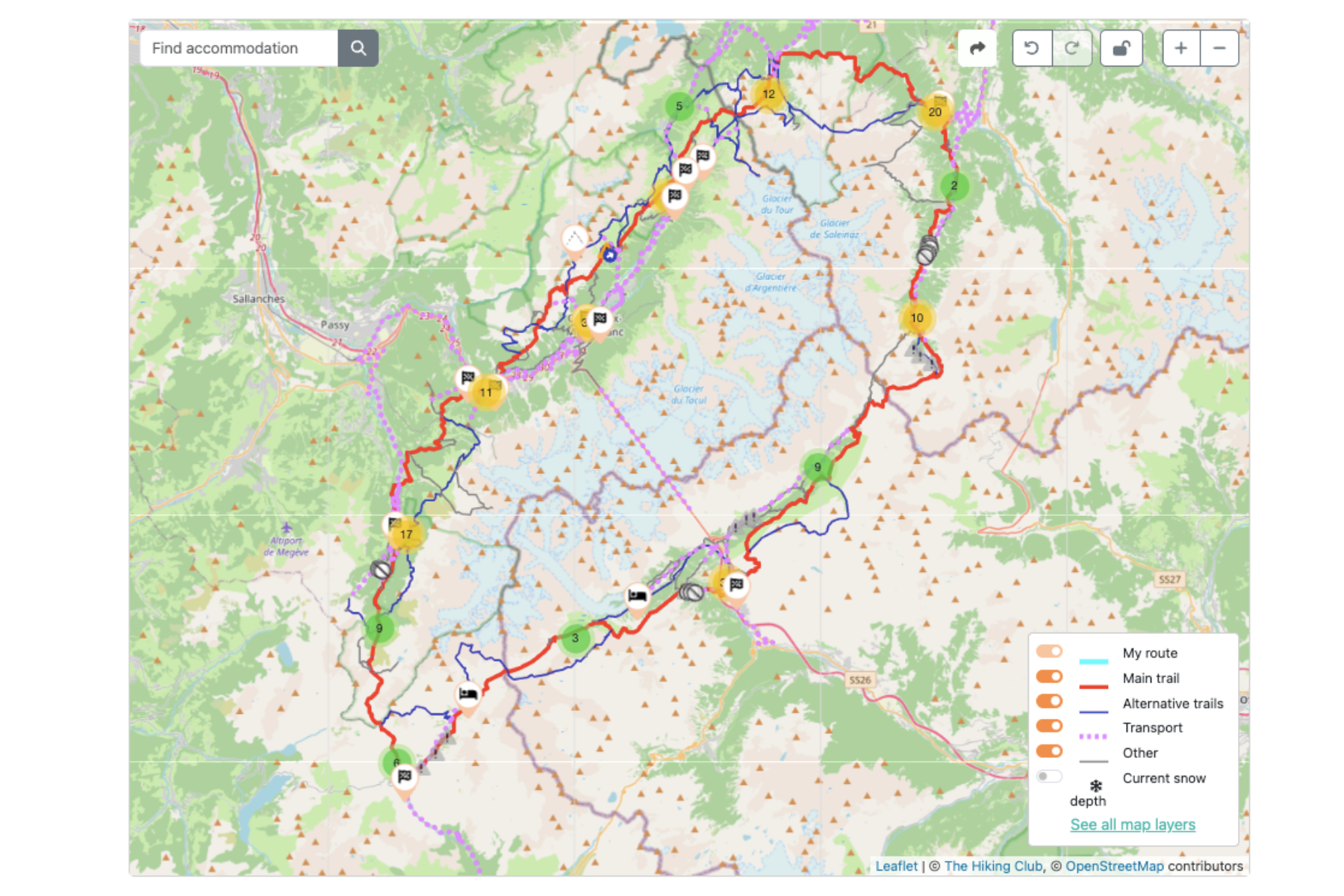
Overview of the Tour du Mont Blanc main, alternative and transport routes through France, Italy and Switzerland.
Explore the itinerary planner →Start planning
Choose an itinerary that suits your group, understand the current accommodation situation and keep up with conditions as your hike approaches.
The Hiking Club platform
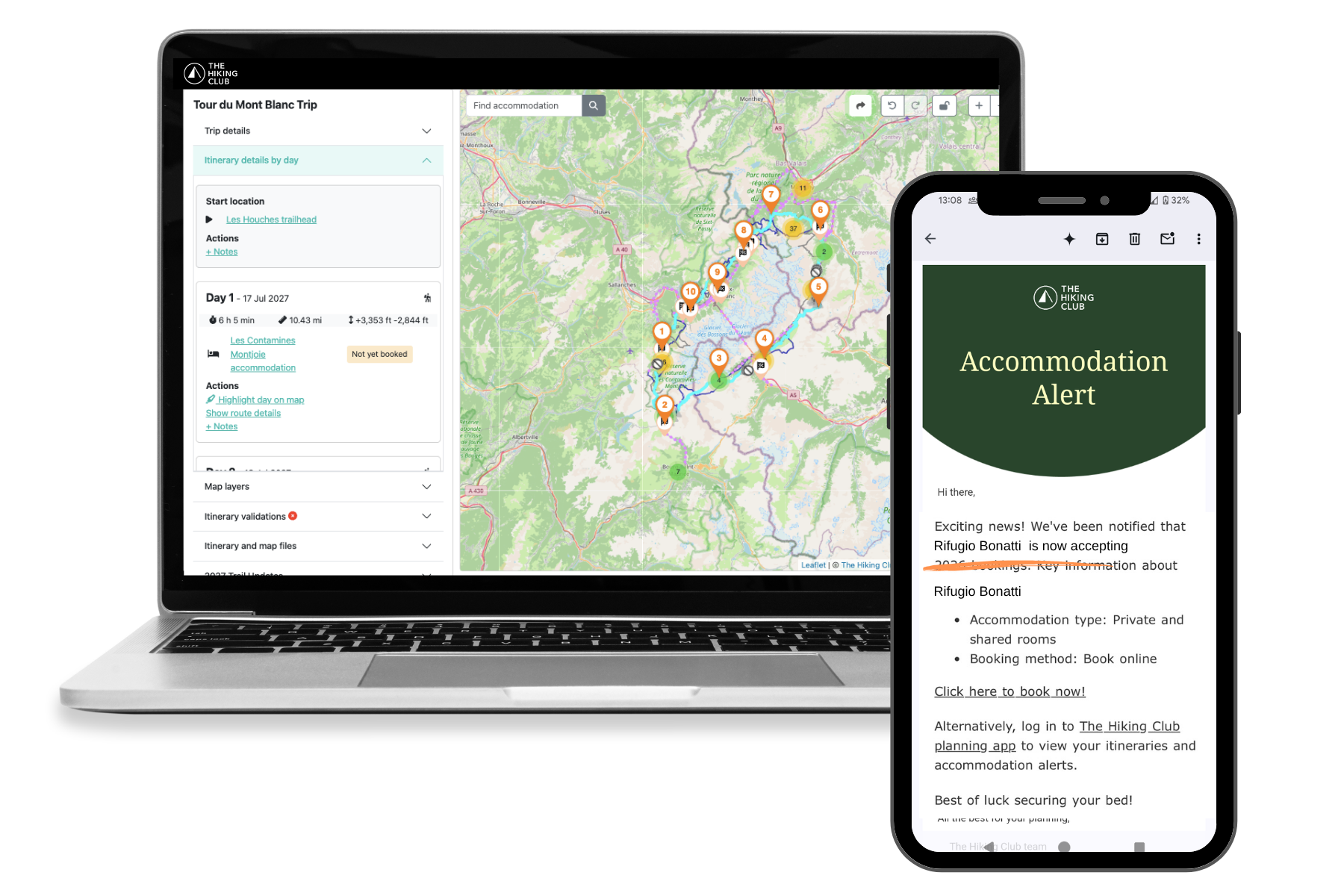
Turn the Tour du Mont Blanc into an itinerary designed around your group. Bring your route, accommodation, trail preparation and navigation together—and keep adjusting the plan as your trip takes shape.
Platform access from €79 · One purchase covers your hiking group
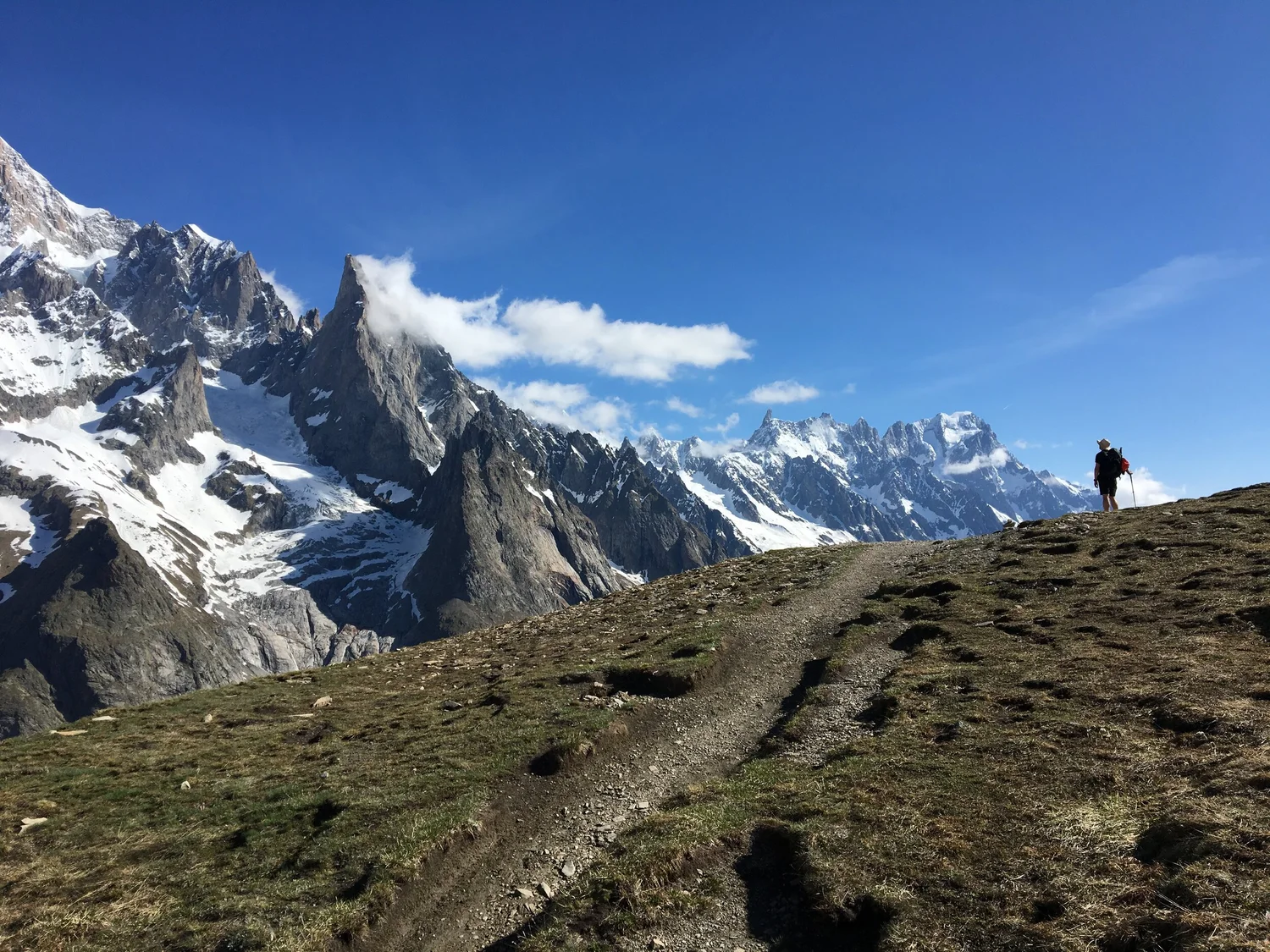
Val Ferret, Italy
The itinerary you choose determines how much time you have to enjoy each part of the trail.
Choosing your itinerary
Most hikers complete the Tour du Mont Blanc in 7–11 days. The right duration depends on your hiking speed, preferred number of hours on the trail and whether you want to include route alternatives or transport.
A shorter itinerary does not simply mean covering the same trail more quickly. Your starting point, stage locations and use of buses, trains and cable cars can all change the experience.
6–8 days
A faster or transport-supported itinerary
Best suited to experienced hikers comfortable with longer days, or hikers planning to skip selected trail sections using transport.
9–11 days
A balanced TMB itinerary
Allows most hikers to complete the circuit with a manageable balance of hiking time, elevation and time at each destination.
12+ days
More time for shorter stages
Create shorter hiking days, spend longer in the mountain villages or include more of the TMB’s spectacular alternative routes.
Accommodation on the TMB
More than 200 accommodation options are located on or close to the Tour du Mont Blanc. Where you stay will shape your daily stages, so compare accommodatino options and booking availability as you build your itinerary.
The key is to build an itinerary around the accommodation currently available—not assume that every hut or village will work for your preferred dates. Starting early gives you more choice, while later planners may need alternative stages, nearby villages or transport.
Mountain huts and refuges
Dormitories, private rooms and half-board stays.
Hotels and guesthouses
Greater choice in the main towns and villages.
Campgrounds
Formal camping options along selected stages.
Permitted bivouac locations
Limited locations subject to local regulations.
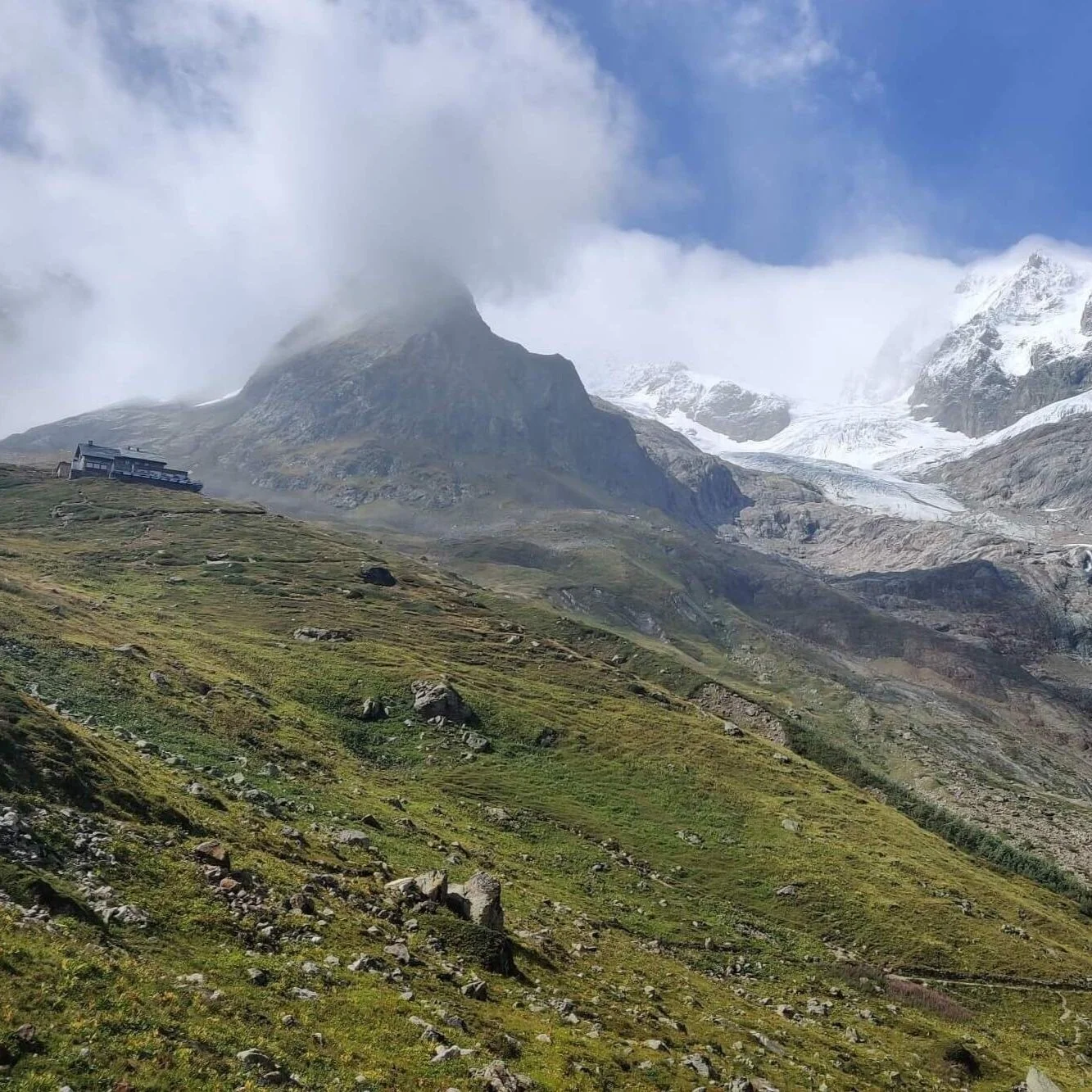
Rifugio Elisabetta, Italy
One of the mountain huts located directly along the TMB.
Accommodation availability changes continuously as properties open reservations and hikers change or cancel bookings. The Hiking Club platform includes live availability, opening-date alerts and cancellation alerts for supported properties.
Around the massif
The TMB changes character as it crosses three countries—from balcony trails overlooking the Chamonix Valley to the dramatic Italian side of the massif and the quieter pastures of Switzerland.
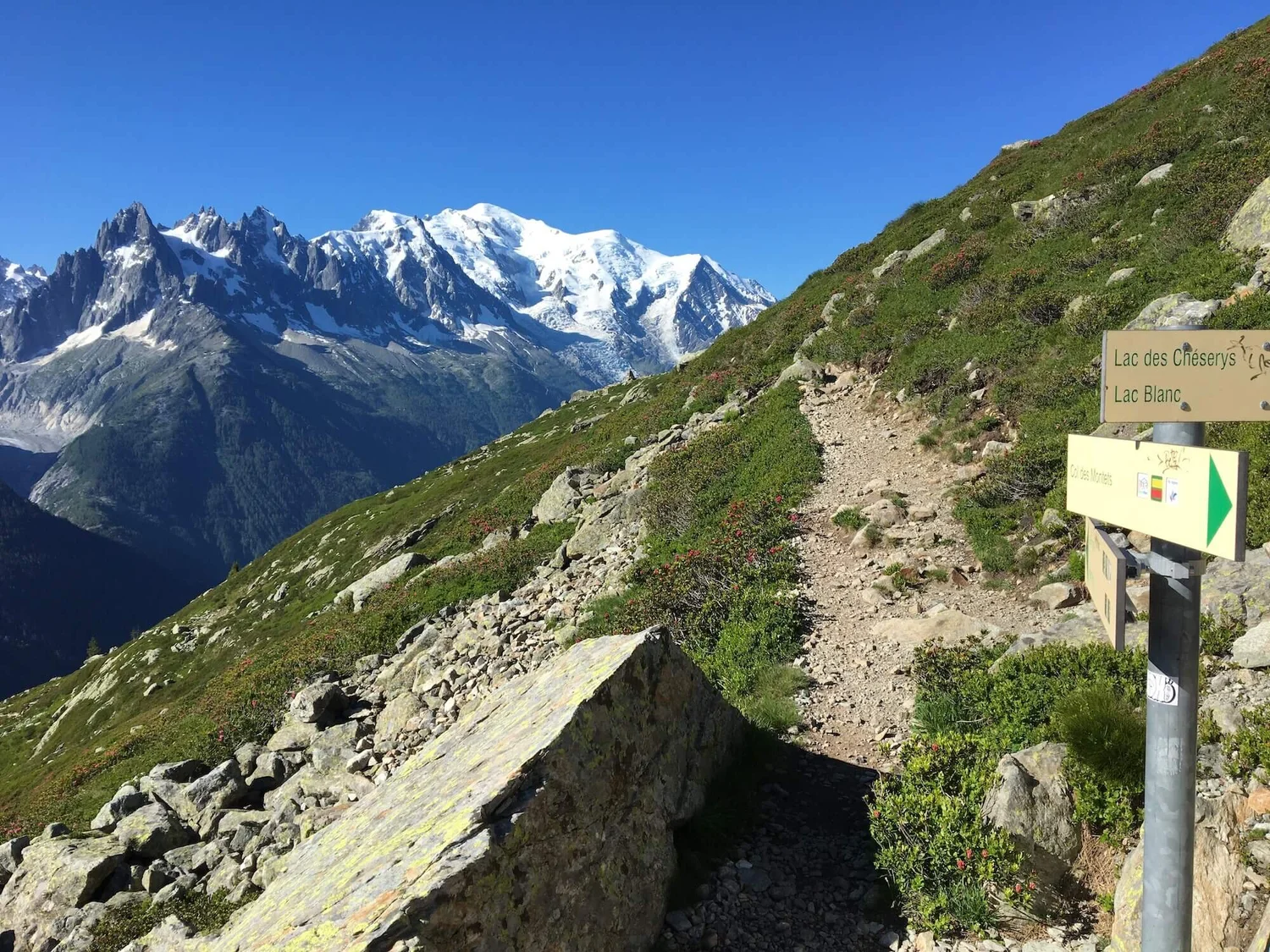
France
A balcony trail with expansive views across the Chamonix Valley toward the Mont Blanc massif.
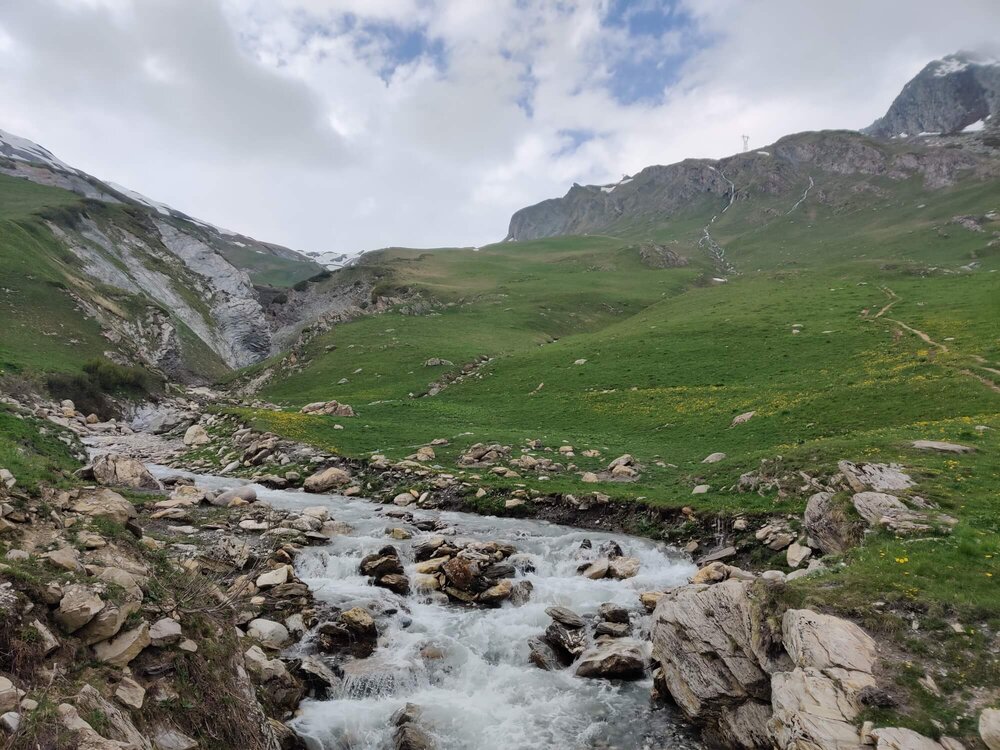
France
A small mountain settlement surrounded by quiet valleys and traditional alpine pastures.
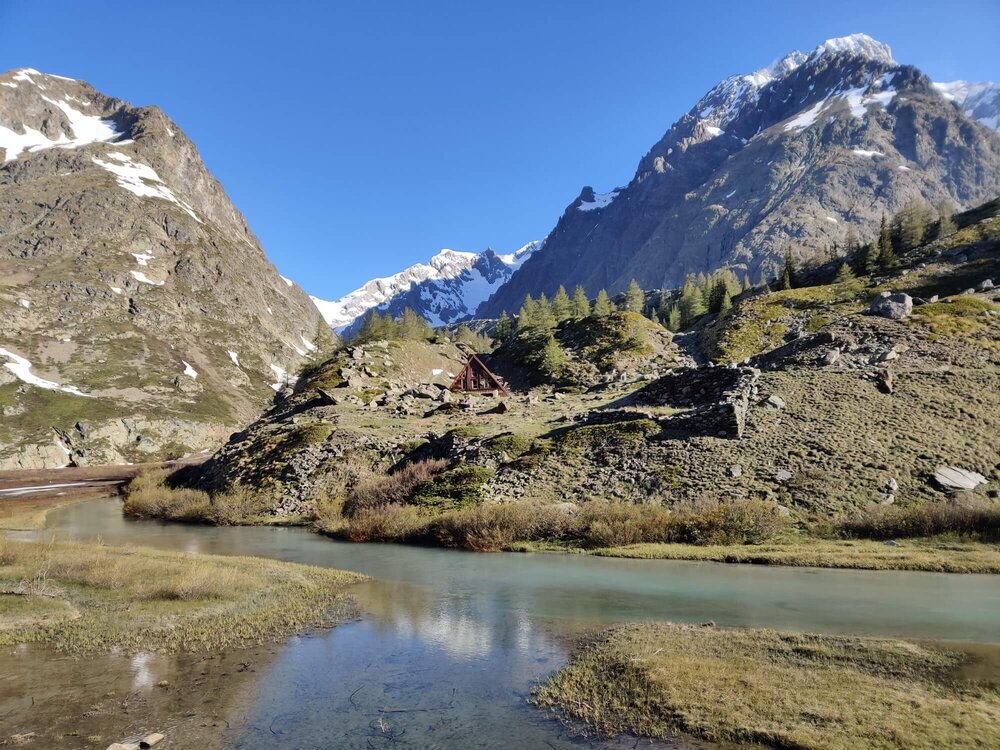
Italy
A dramatic Italian valley beneath glaciers and the rugged southern face of the massif.
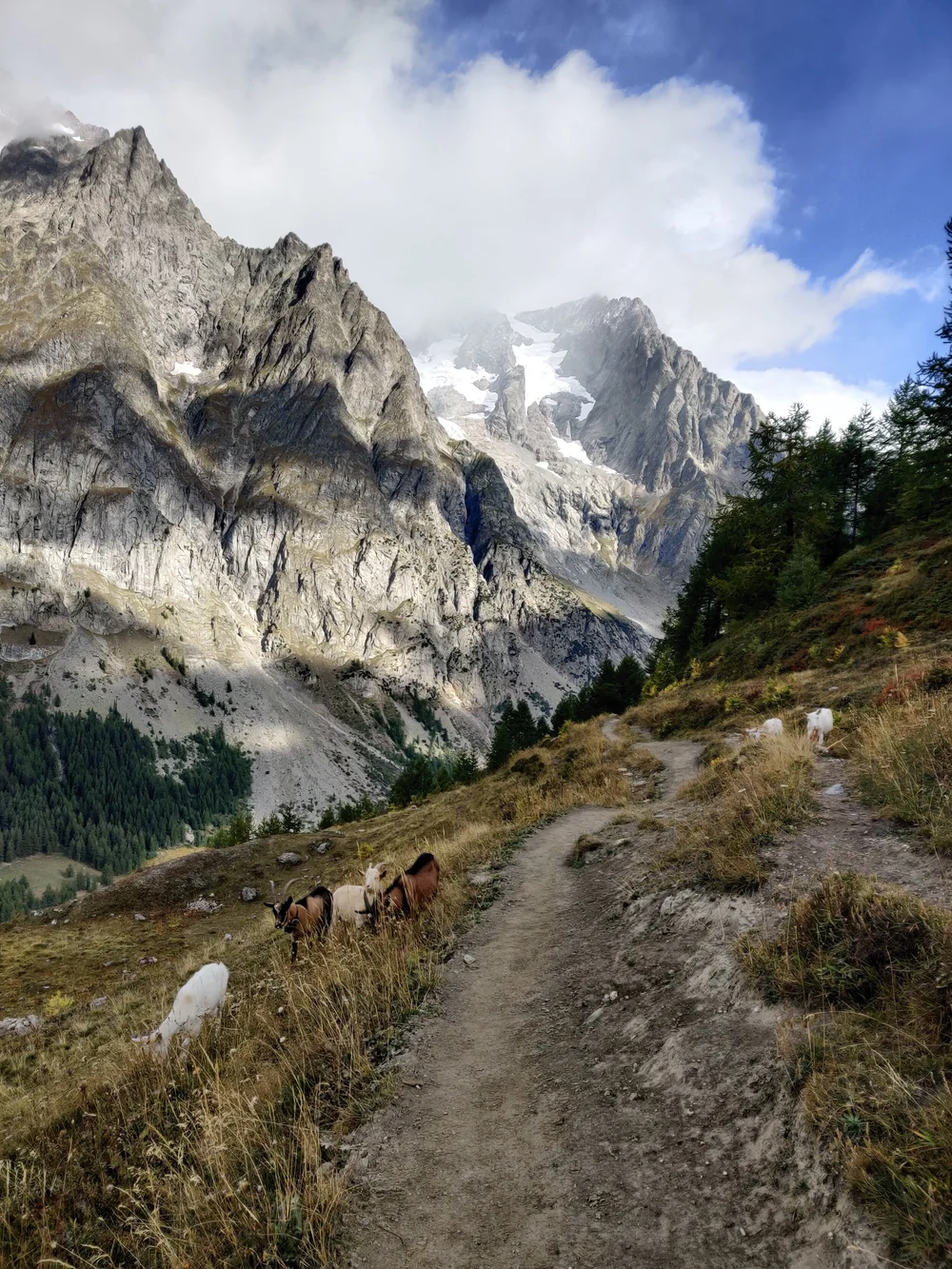
Italy
Open trails beneath the Grandes Jorasses leading toward the Swiss border.
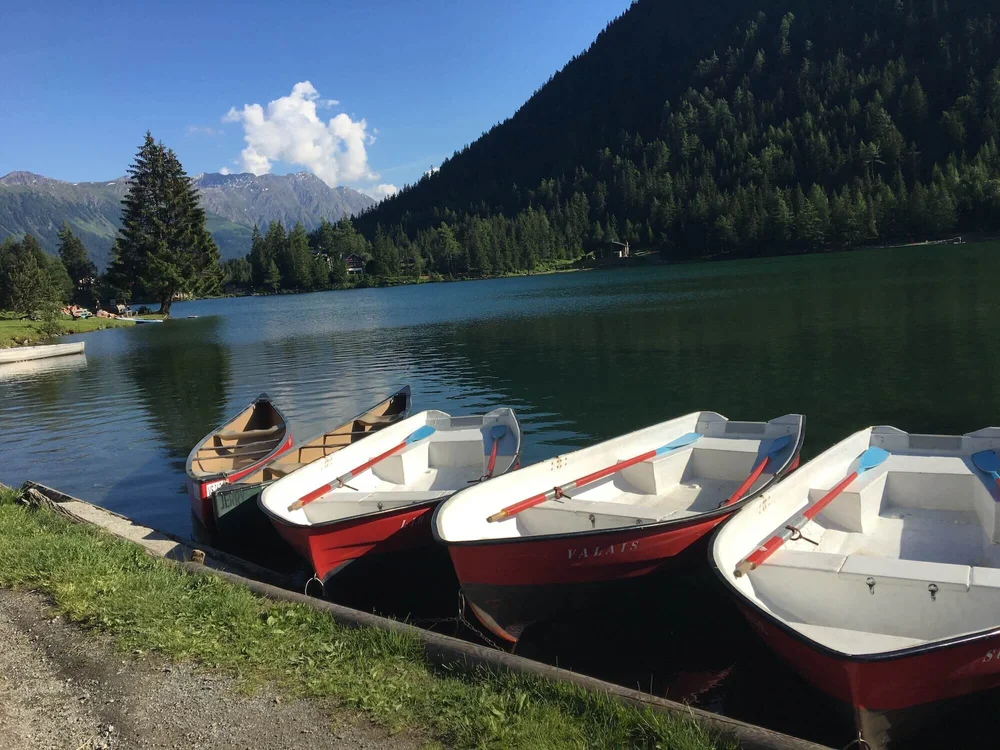
Switzerland
A welcoming Swiss mountain village centred around a peaceful alpine lake.

Switzerland
Forests and open pastures with broad views across the Rhône Valley.
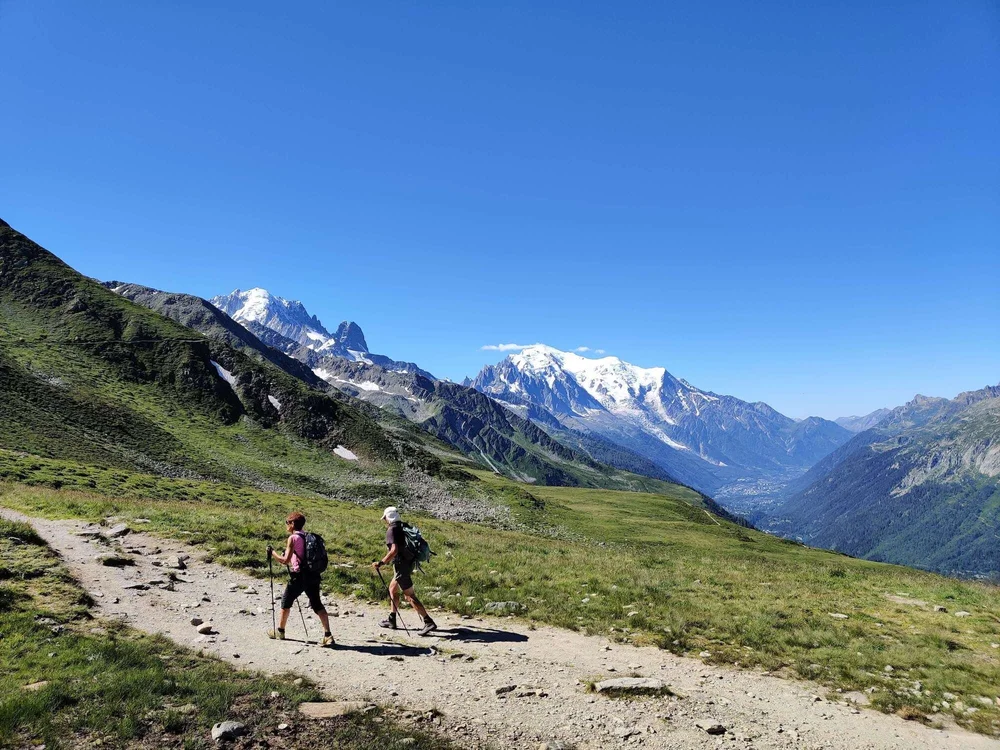
France
Iconic views of Mont Blanc from the trails high above the valley.
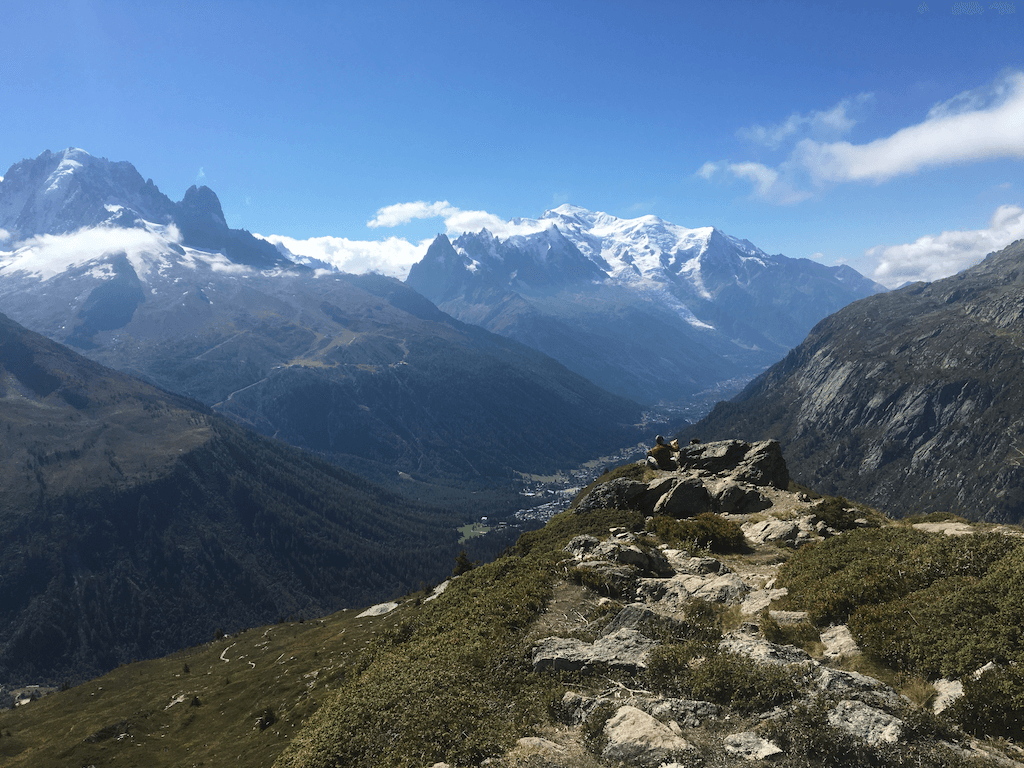
France
A panoramic ridge above Le Tour with views toward the Chamonix Valley and surrounding peaks.
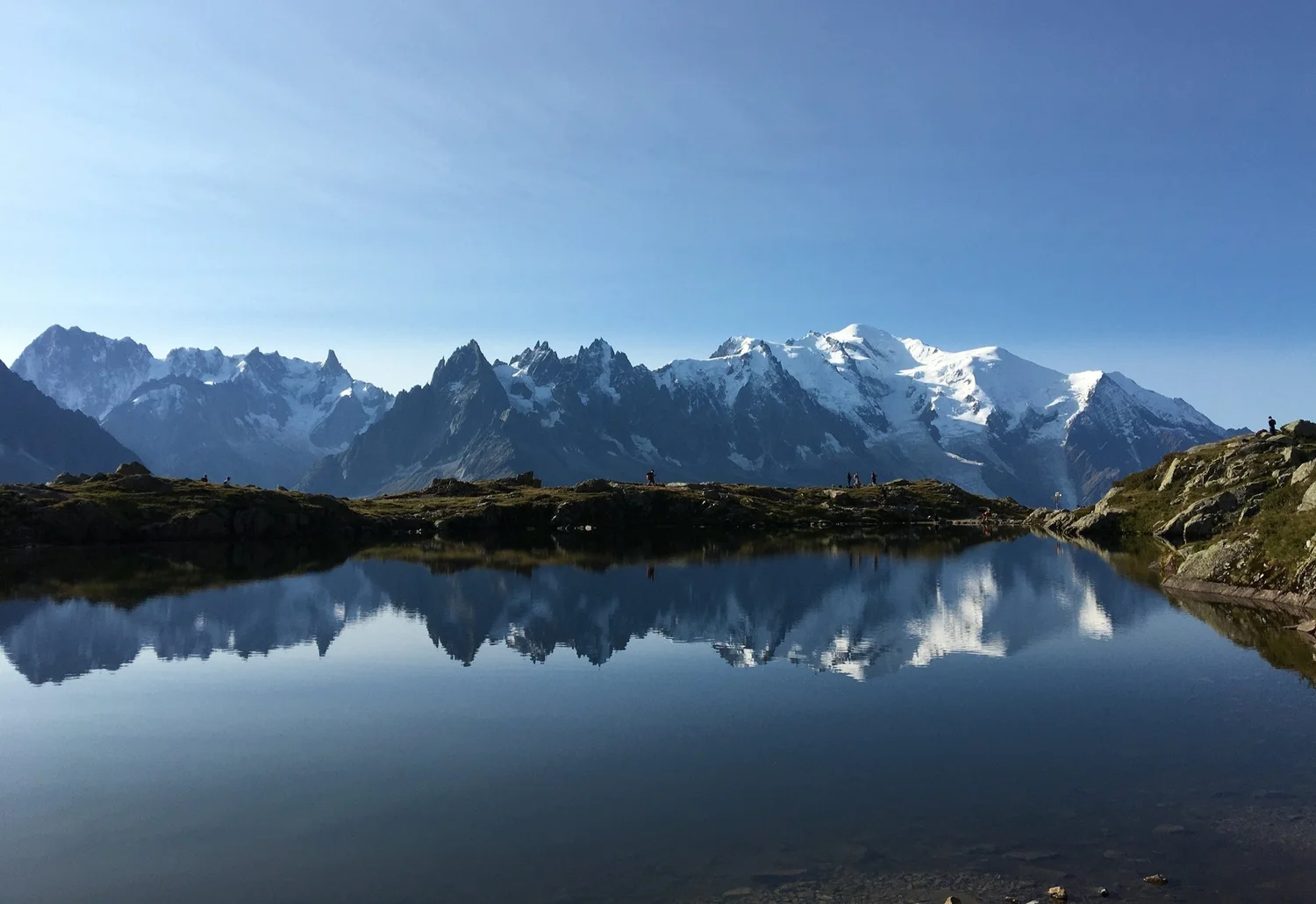
France · Alternative route
A spectacular alternative above the Chamonix Valley, known for its alpine lake and panoramic views across to the Mont Blanc massif.
The scenery you experience depends on your direction, starting point, itinerary and the alternative routes you choose to include.
Explore TMB itineraries →Choose your trailhead
The TMB is a circuit, so you can begin and finish in several locations. Les Houches is the traditional starting point, but Chamonix, Courmayeur and Champex-Lac can work better depending on your travel plans, accommodation availability and preferred first day.
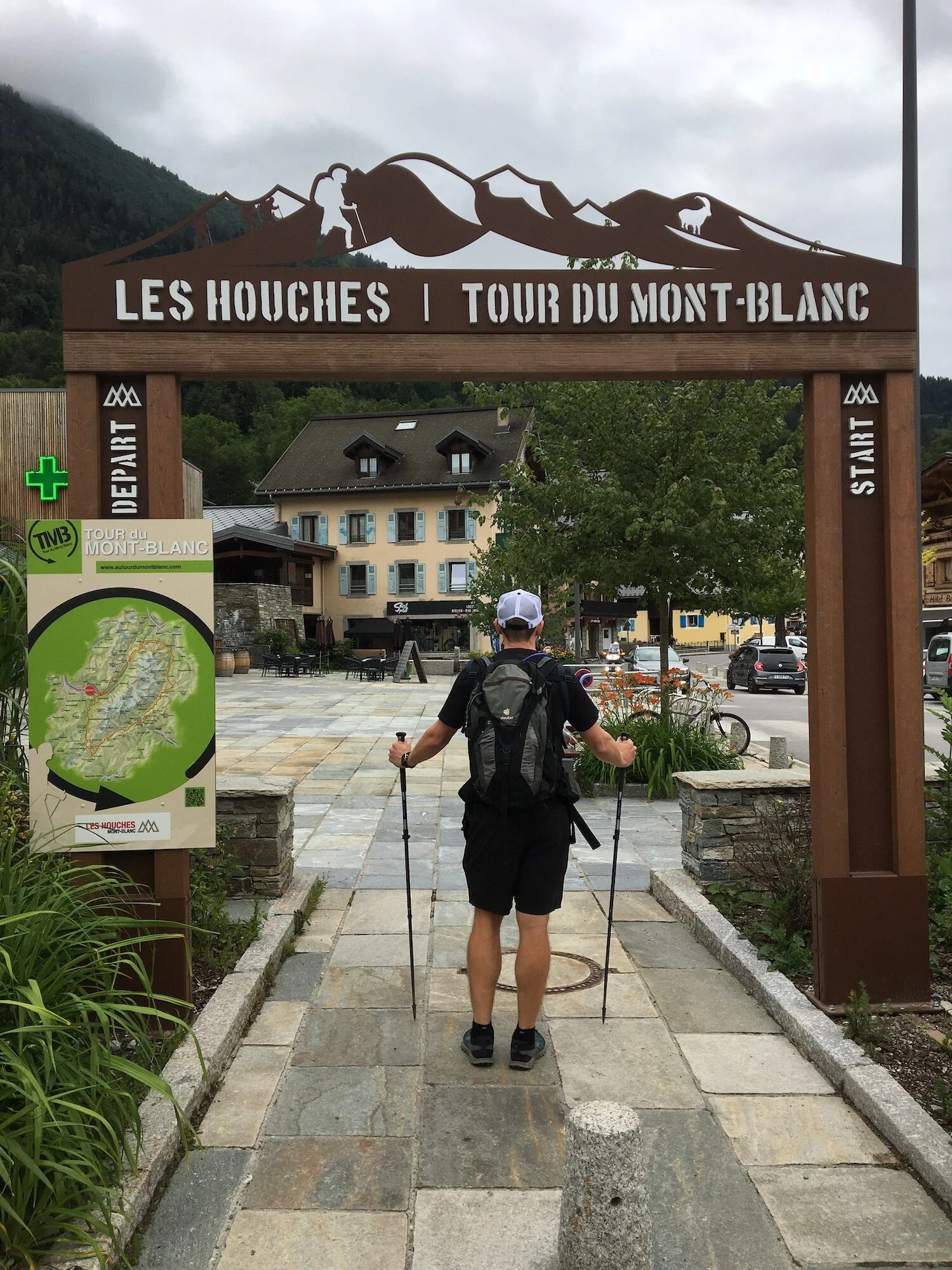
France · Traditional trailhead
The classic choice and the easiest starting point for first-time TMB hikers. It is well connected to Geneva and has direct access to the official trail.
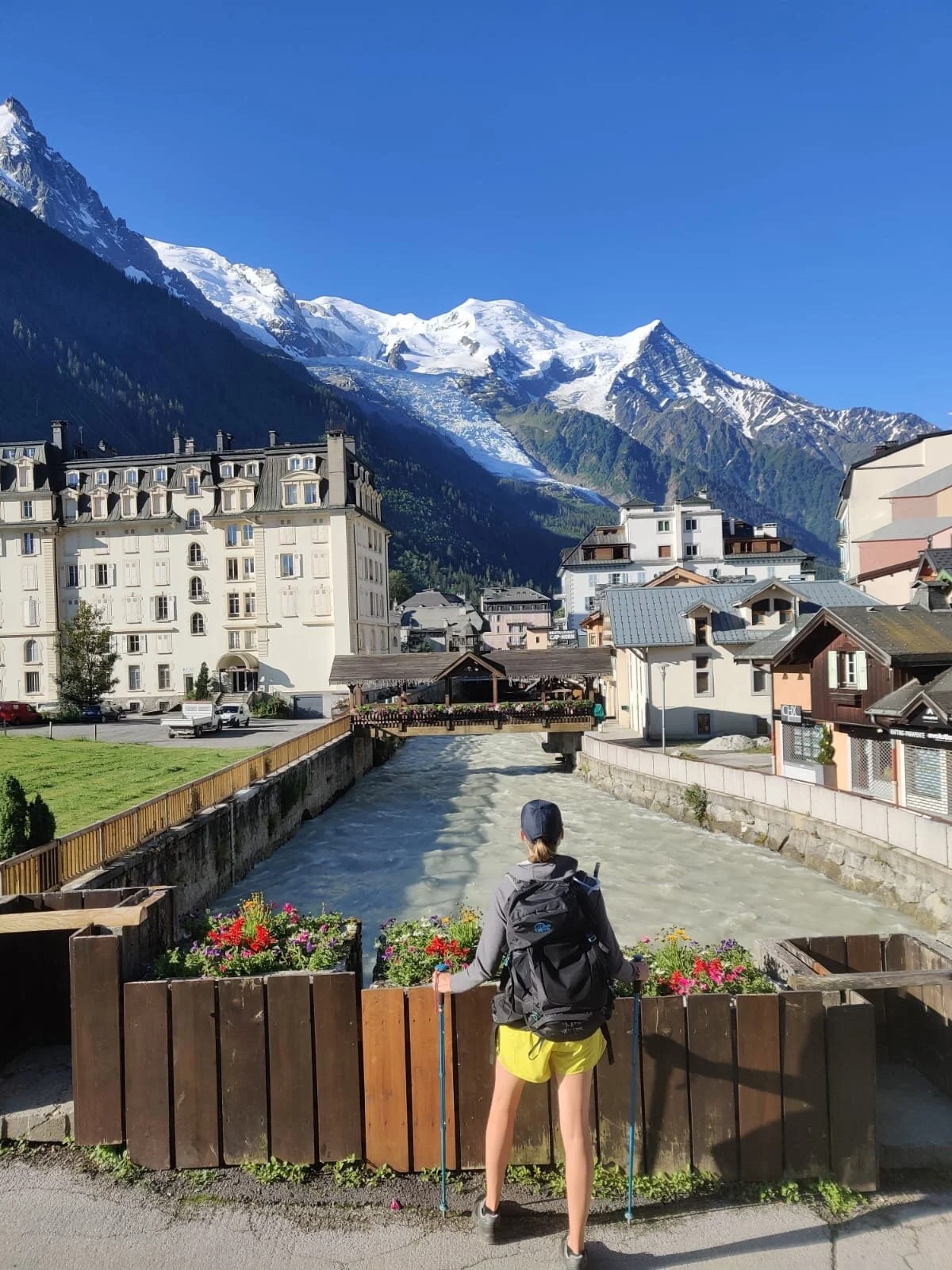
France · Full-service base
A convenient base with excellent transport, outdoor shops and a wide choice of accommodation. The TMB runs above the town and is reached via the Plan Praz lift.

Italy · Quieter departure
The main Italian gateway to the TMB. Starting here can place you between the larger waves leaving the Chamonix Valley and gives your journey an unmistakably Italian beginning.
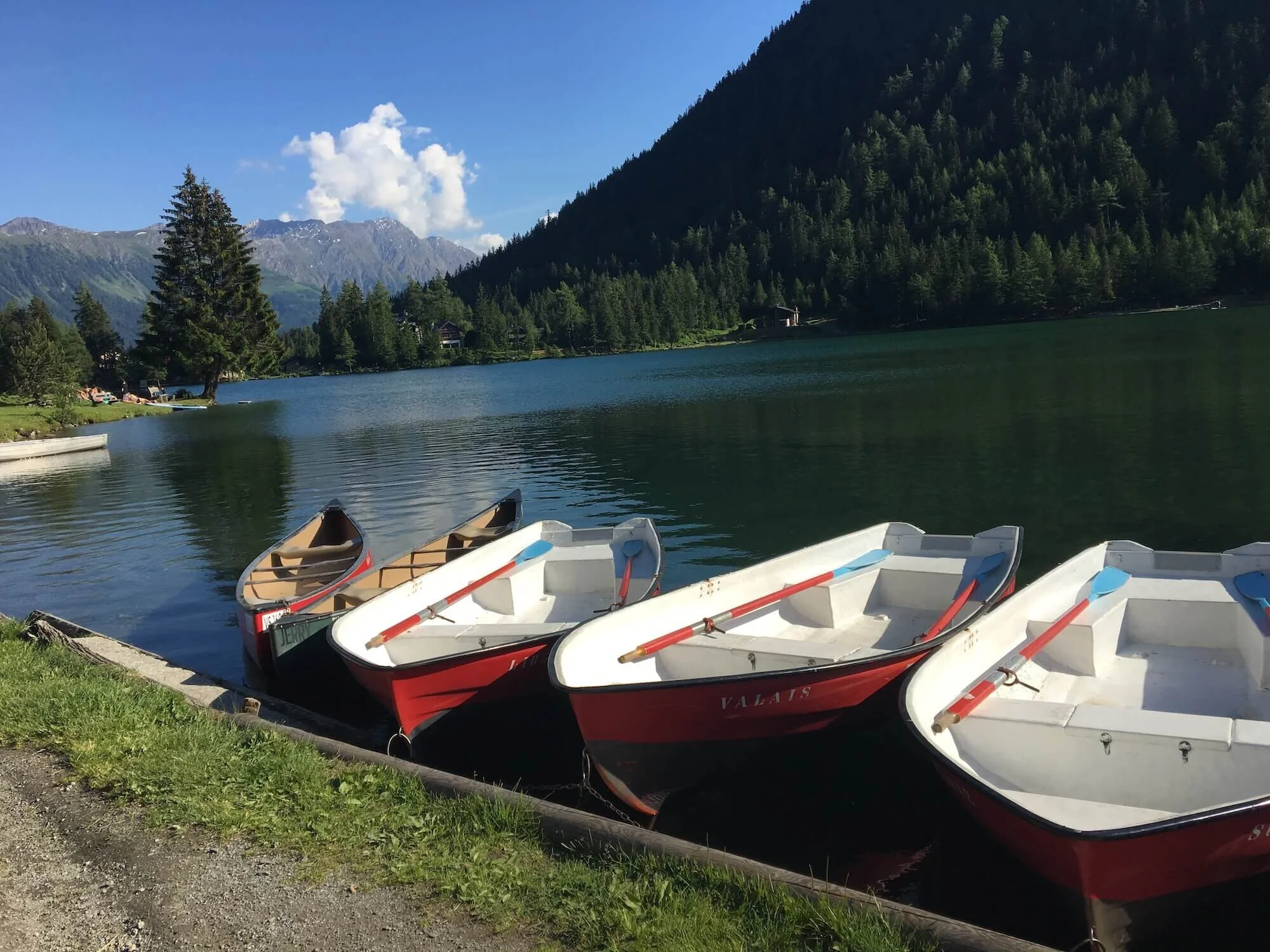
Switzerland · Lakeside start
A peaceful Swiss alternative with public transport connections and useful village services. The opening kilometres are mostly downhill whichever direction you choose.
Plan around your travel dates
Build an itinerary from any trailhead and compare daily distance, elevation, transport and accommodation options before committing.
Choose your direction
The Tour du Mont Blanc can be completed in either direction. Most hikers travel counter-clockwise, but clockwise can provide a quieter experience. The best choice depends on your starting point, preferred stages, transport plans and the views you most want to experience.
Most popular
The traditional direction, with a more manageable opening from Les Houches and a natural progression through France, Italy and Switzerland.
Quieter alternative
A less common option that reverses the usual sequence of stages and can help you avoid moving with the main flow of TMB hikers.
Personalise the route
The classic Tour du Mont Blanc is already a complete journey. Alternative routes—often called variants—allow you to add a particular viewpoint, stay higher in the mountains or avoid part of the main trail. Each one changes the distance, elevation, difficulty and accommodation options for that stage.
The dependable option
The main route follows established mountain paths through France, Italy and Switzerland. It provides regular access to accommodation, villages and transport, making it the best foundation for most self-guided itineraries.
Popular alternatives
These are only a selection. The Hiking Club platform includes 20+ alternative routes that can be added directly to your itinerary.
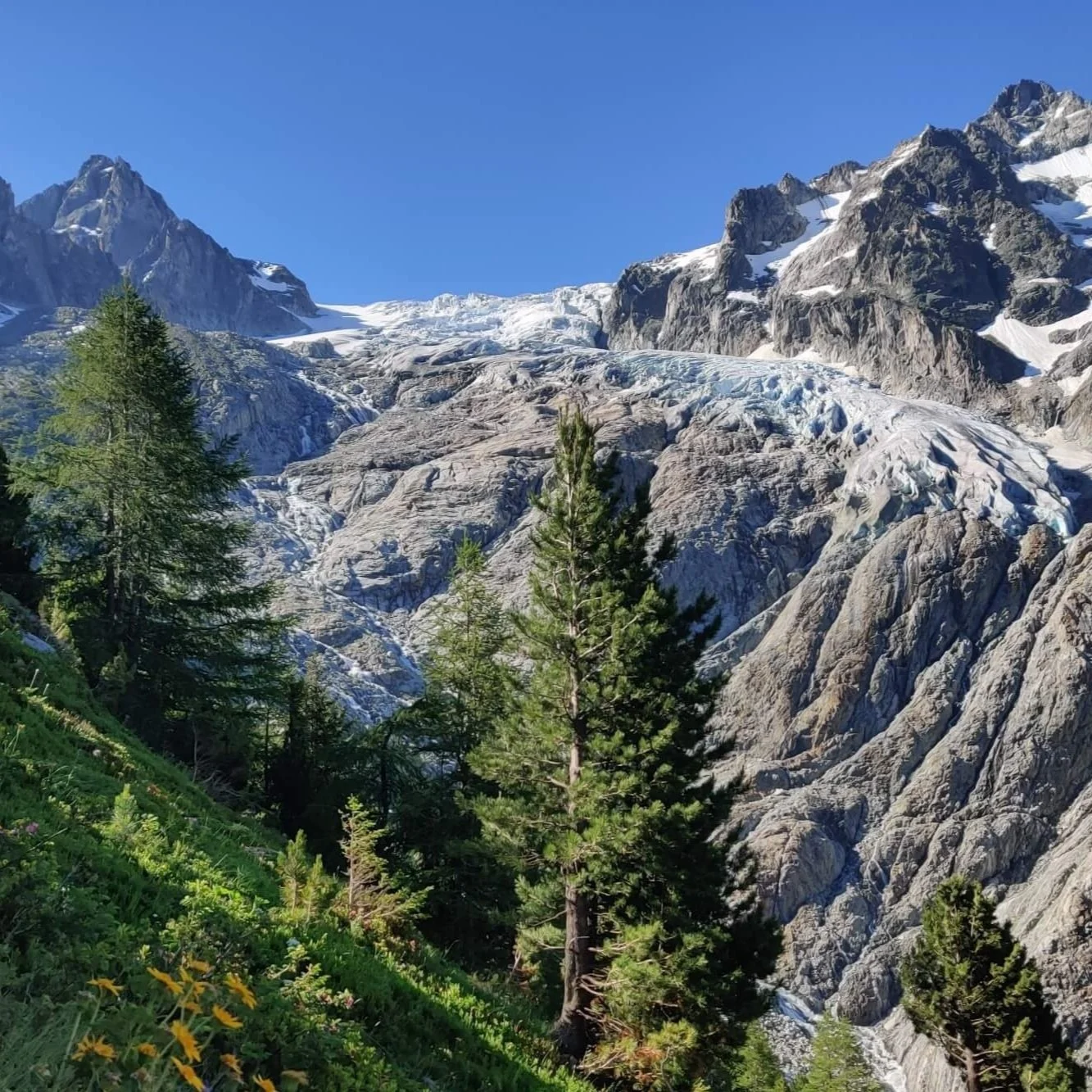 Demanding
Switzerland
A steep, high-level crossing with boulder fields and dramatic views toward the Trient Glacier.
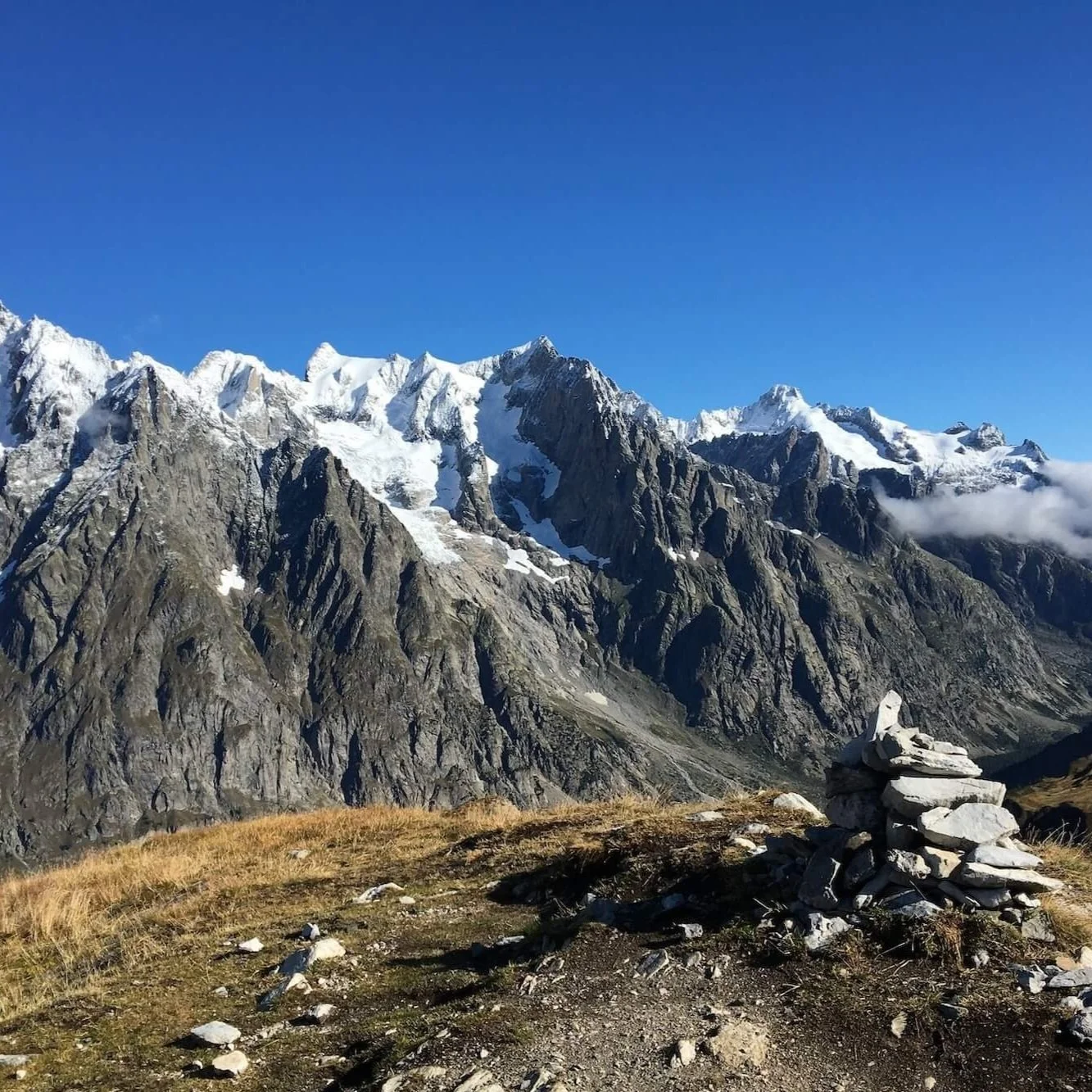 Scenic ridge
Italy
A higher route above the main Val Ferret trail with open ridgeline walking and deeper views into the massif.
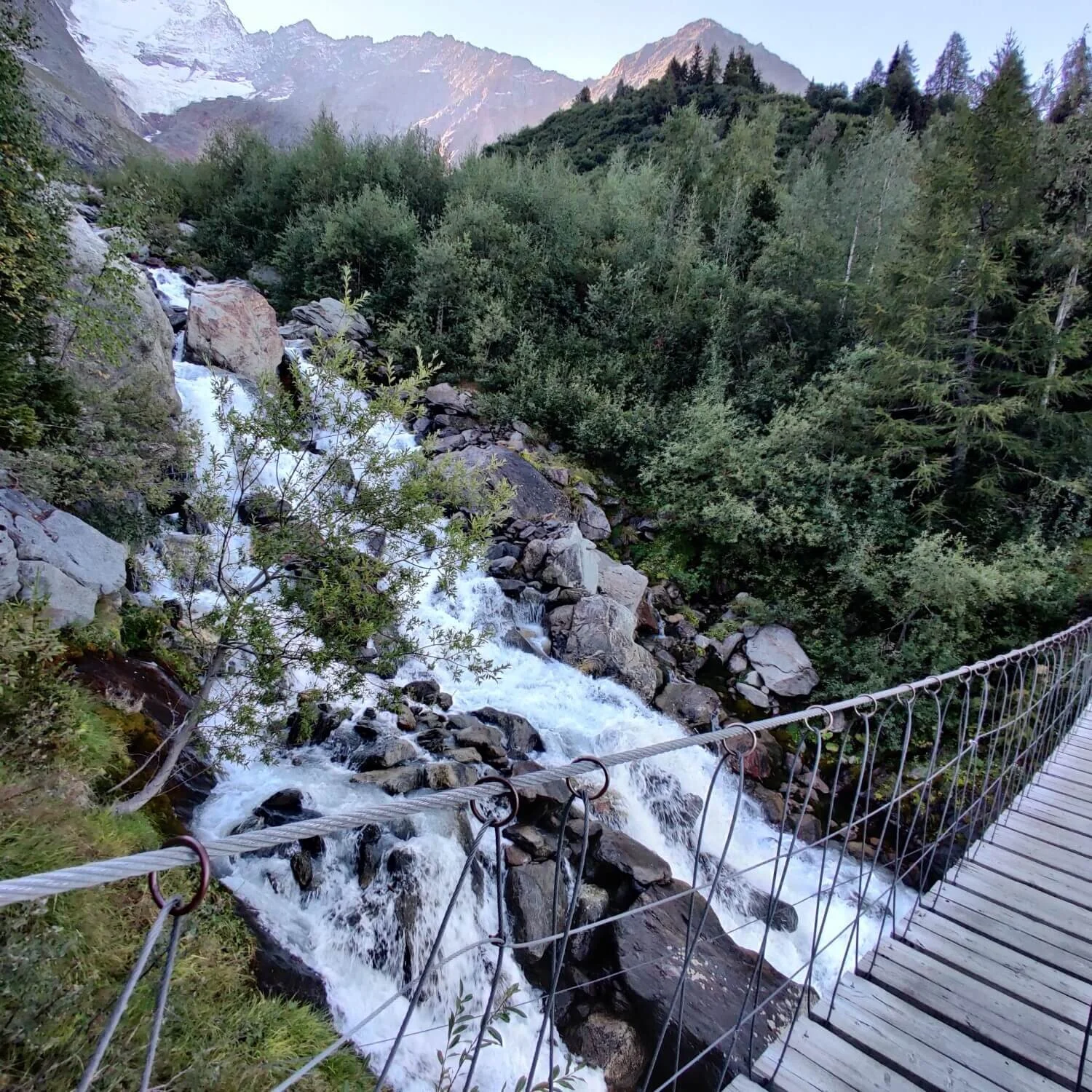 Popular variant
France
A challenging alternative featuring a suspension bridge, a high mountain pass and views toward the Miage Glacier.
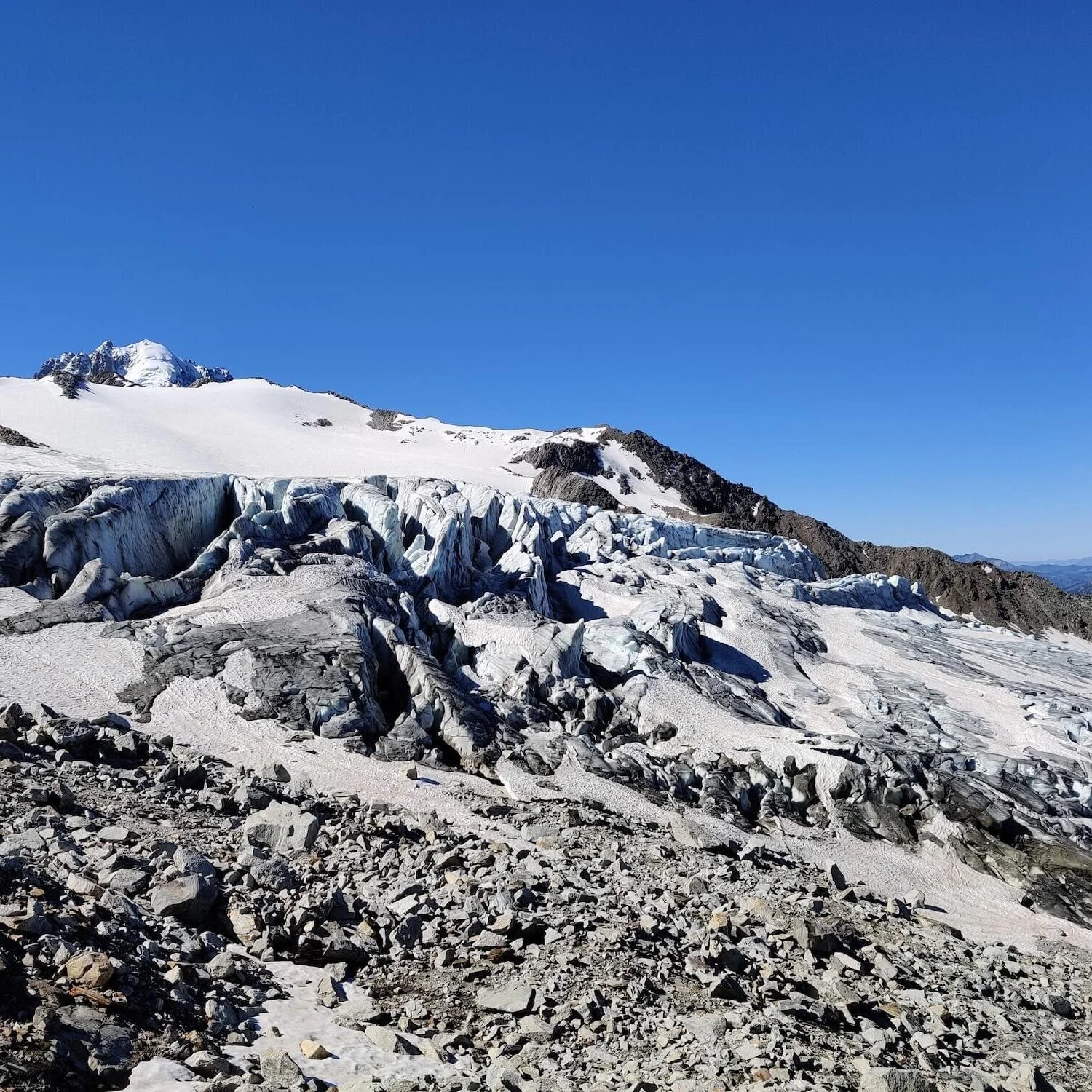 Glacier views
France
A higher alternative near Le Tour that brings hikers closer to the glacier and surrounding alpine landscape.
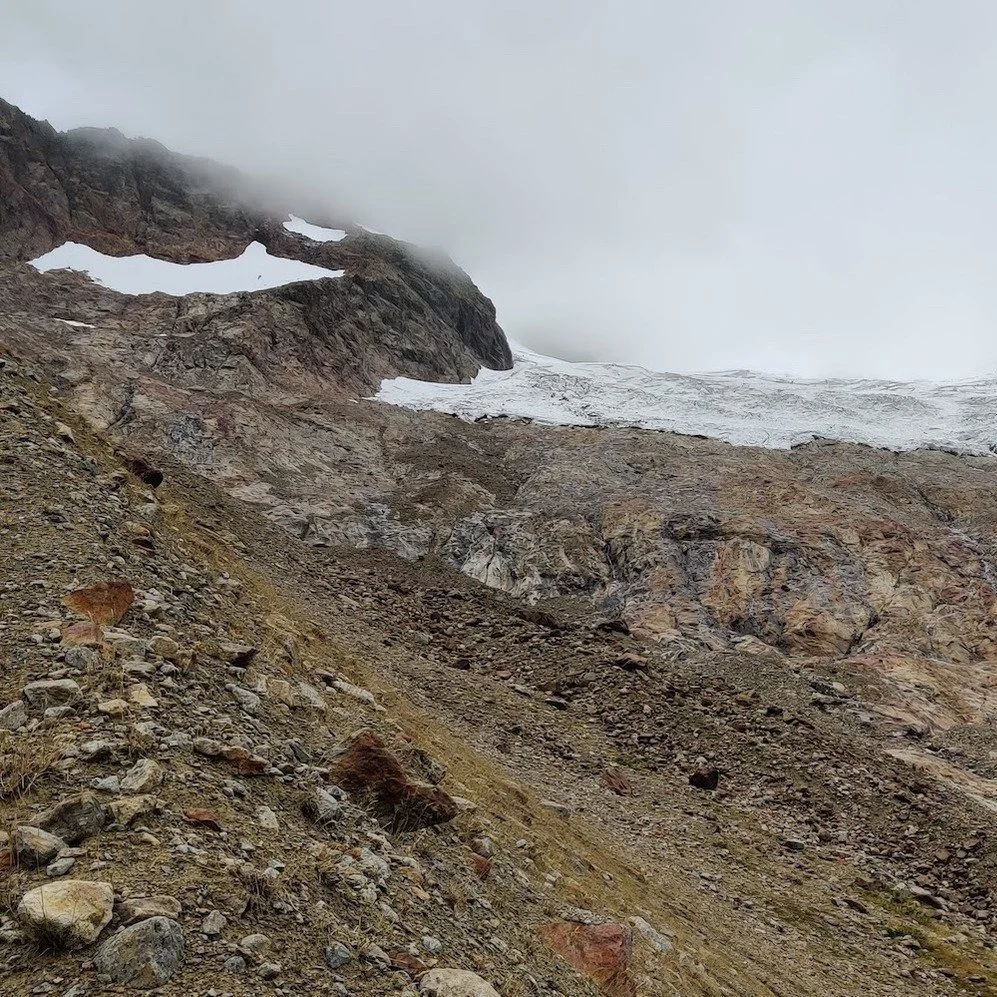 Advanced
France
A remote and significantly more difficult route with exposed terrain, assisted sections and mountain stream crossings.
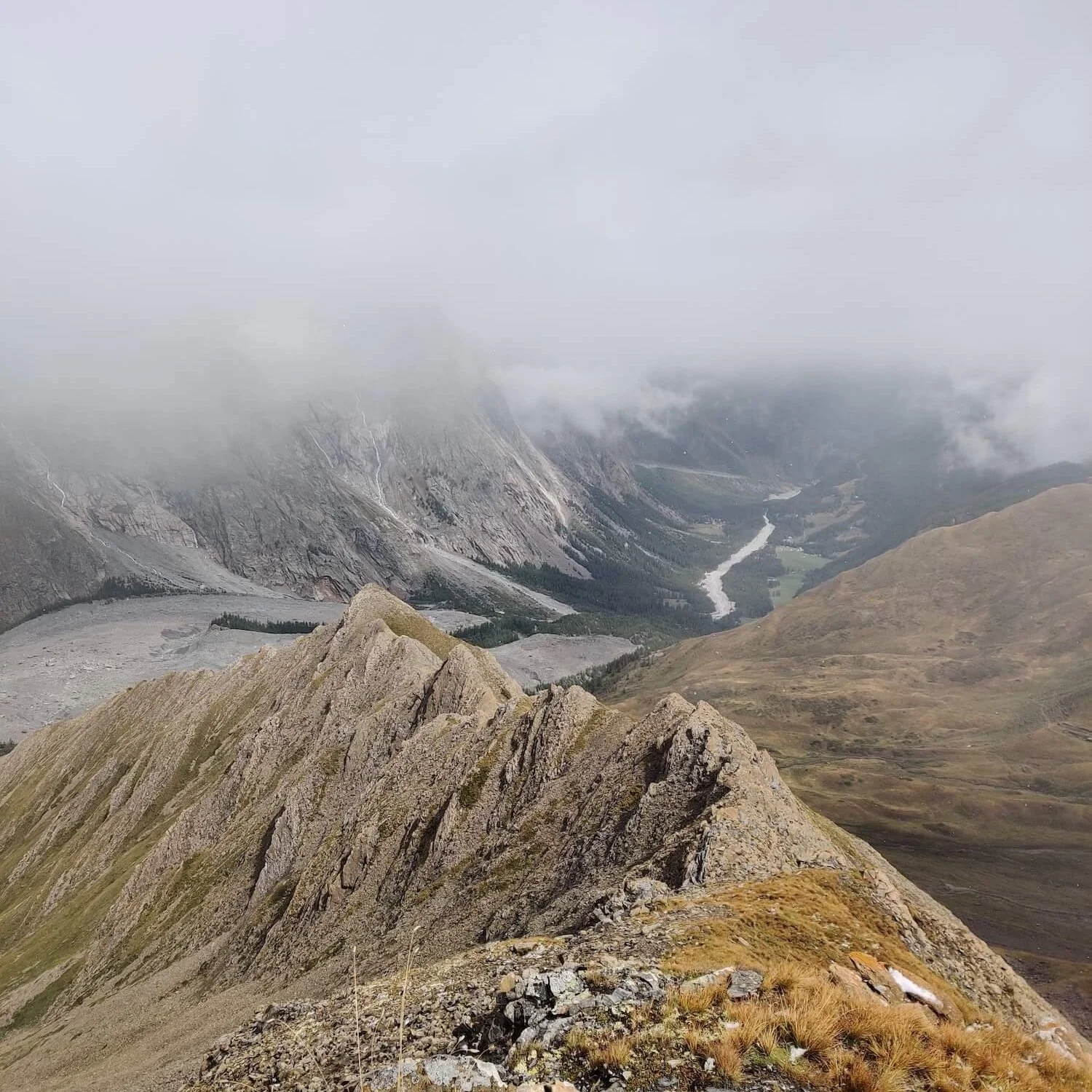 High route
Italy
A high-level traverse above Val Veny with expansive views across to the Mont Blanc massif and Rifugio Elisabetta.
Build the route around your ability
Add or remove alternatives inside the planning platform and see your daily distance, elevation, estimated hiking time, transport and accommodation options recalculate.
Alternative routes may be unsuitable in poor weather, snow or difficult trail conditions. Always check current conditions and choose a route appropriate for your experience.
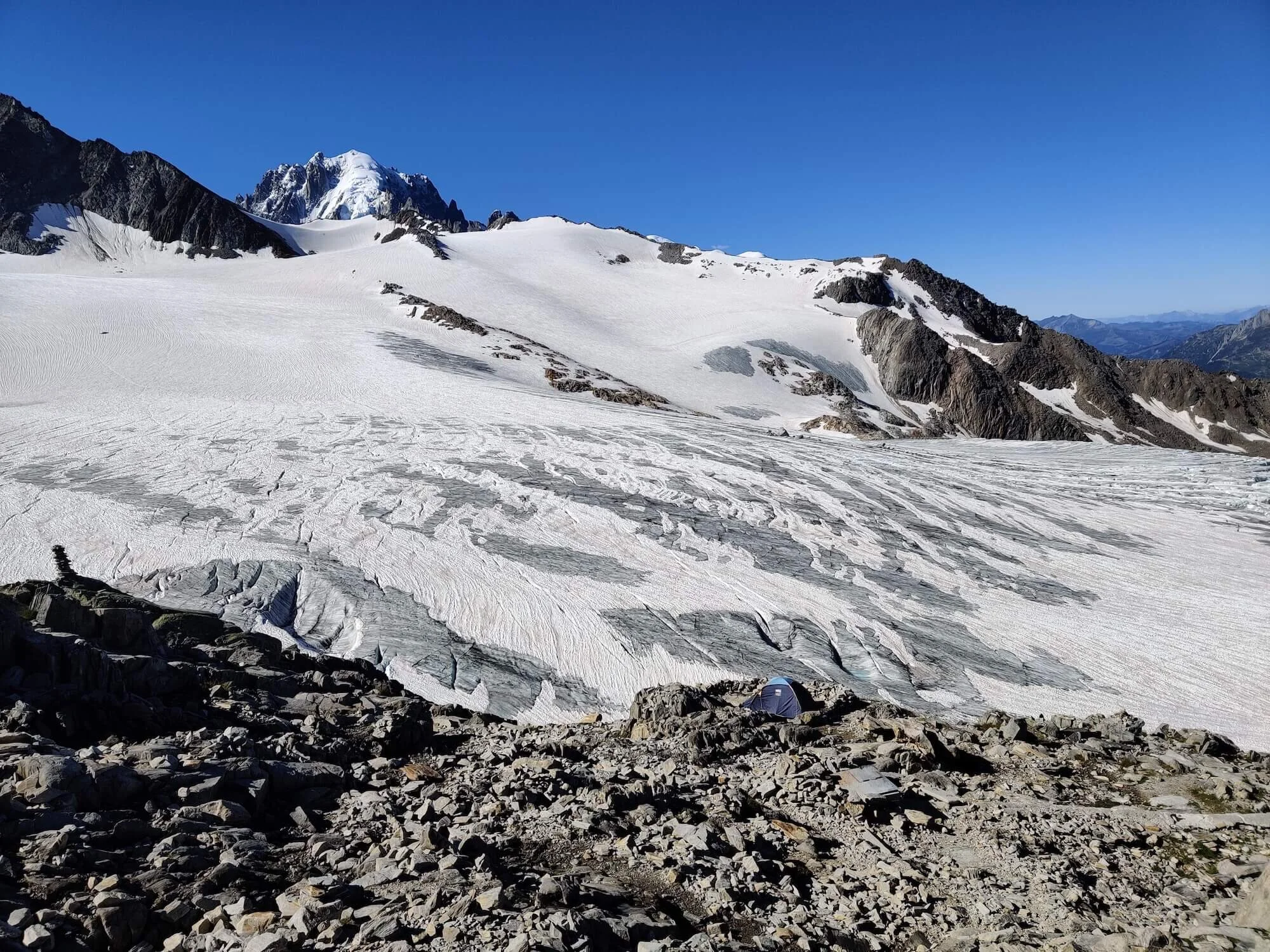
One of the permitted bivouac locations mapped inside The Hiking Club platform.
Sleeping under canvas
Yes. You can plan a full camping itinerary around the Tour du Mont Blanc using a combination of established campgrounds and permitted bivouac locations. The Hiking Club platform brings these overnight options together with the route, daily hiking statistics and transport.
Facilities and designated pitches
Formal campgrounds are available near selected TMB stages and commonly provide toilets, showers and other basic facilities. They are not available at every overnight location, so your hiking stages need to be planned around them.
Mapped in the platform
The platform includes up-to-date permitted bivouac locations around the TMB, helping you identify where an overnight stop can legally form part of your itinerary. Each location can be considered alongside the surrounding route and accommodation options.
Bivouacking is not unrestricted wild camping. Requirements can vary by location and may include specific arrival and departure times, designated areas or local restrictions. Always follow current signage and instructions from local authorities or land managers.
Plan the complete journey
Add campgrounds and permitted bivouac locations to your itinerary, then compare the distance, elevation and estimated hiking time between every overnight stop.
Build a realistic budget
The cost of a self-guided TMB depends on your itinerary length, accommodation style, room preference and food choices. Your flights, airport transfers, insurance, equipment and optional luggage transfer also need to be considered separately.
Useful planning range
€800–€1,300
Per person for many 10-day self-guided itineraries.
A dormitory-based itinerary with hut meals will usually sit toward the lower end of the range. Private rooms—particularly for solo hikers—can increase the total, while a camping-led itinerary can reduce accommodation costs considerably.
This is a starting estimate rather than a fixed price. Costs vary by itinerary, season, availability, exchange rates and personal spending choices.
Campgrounds, dormitory beds, private rooms and single-occupancy supplements can create very different totals.
Mandatory half-board, hut picnics, restaurants and supermarket meals all affect your daily spending.
Additional hiking or rest days add accommodation and food costs, even if your overall route remains similar.
Airport transfers, local buses, trains, cable cars and luggage services should be added to your trail budget.
Typically included in the trail estimate
Remember to add
Estimate your own trip
Adjust your itinerary duration, accommodation style, room preference and food choices to produce a more relevant TMB budget.
Budget figures are indicative and will vary by travel dates, exchange rates, provider pricing, availability and personal choices.
Compare Alpine trails
The TMB offers exceptional planning flexibility, but it is not the only multi-day trail in this part of the Alps. Compare its distance, duration and character with three nearby journeys.
Current trail
A popular circuit through France, Italy and Switzerland with frequent accommodation, flexible stages and extensive transport options.
Quieter circuit
A quieter circuit through Switzerland and Italy with remote valleys, dramatic glaciers and fewer hikers than the neighbouring TMB.
Longer journey
A more demanding linear journey from Chamonix to Zermatt, crossing remote valleys and a succession of high Alpine passes.
Flexible traverse
A flexible Swiss traverse connecting famous mountain villages, with spectacular scenery and several options for adapting the route.
Difficulty and preparation
The Tour du Mont Blanc is not a technical mountaineering route, but it is a physically demanding multi-day hike. Most itineraries include sustained climbs and descents on consecutive days, often over steep, rocky and uneven mountain terrain.
Difficulty also depends heavily on the itinerary you choose. Daily distance, elevation, pack weight, route alternatives and recovery time can turn the same trail into a very different experience.
The challenge comes from climbing and descending mountain passes day after day, with limited recovery time between stages.
Expect rocky paths, exposed roots, mud, loose surfaces and some steep sections requiring balance and confident footing.
Snow can remain on higher passes early in the season, while rain, heat, wind and thunderstorms can change trail difficulty quickly.
Longer stages, demanding alternatives and carrying more weight all increase difficulty. A well-matched itinerary is one of the most important preparation decisions.
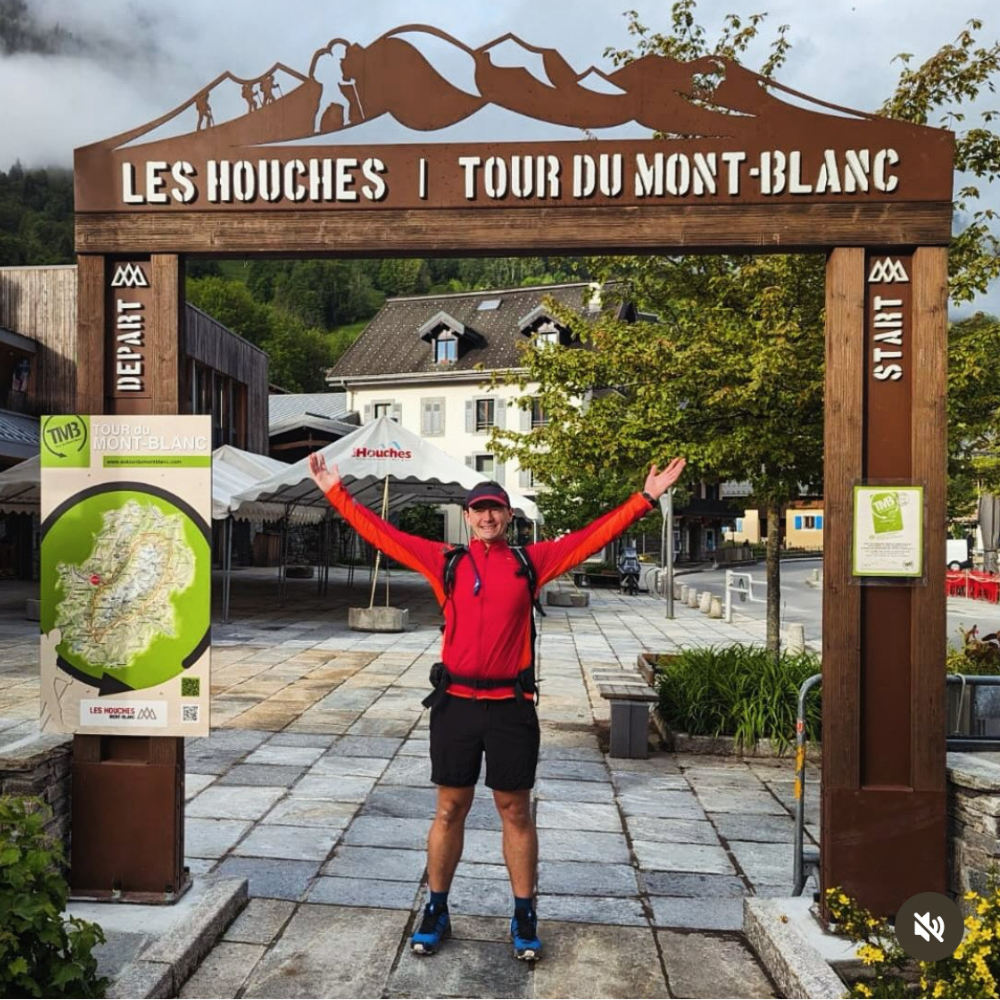
Brendan
TMB trail specialist
Expert Access
If you would like personal help, work with Brendan to design an achievable itinerary around your group, hiking dates, accommodation options and priorities. You can then continue booking and preparing independently inside The Hiking Club platform.
Planning questions
Clear answers to the questions hikers most often ask when deciding whether—and how—to plan the Tour du Mont Blanc.
The classic Tour du Mont Blanc is approximately 166 km or 103 miles, with around 10,000 metres of elevation gain. The exact distance changes according to your starting point, route alternatives and use of transport.
Most hikers complete the TMB in 7–11 days. Faster or transport-supported itineraries can take 6–8 days, while 12 or more days allows for shorter stages, additional rest time and more route alternatives.
You can compare TMB itineraries before choosing a duration.
The TMB is a physically demanding mountain hike rather than a technical mountaineering route. Its main challenges are repeated climbs and descents, uneven terrain, changing mountain conditions and hiking for several consecutive days.
The difficulty of your trip depends heavily on your daily stages, pack weight, route choices and preparation.
Yes. Many hikers complete the Tour du Mont Blanc independently. Self-guided hikers remain responsible for selecting an appropriate itinerary, monitoring current conditions, carrying suitable navigation tools and making safe decisions on the trail.
Learn how to prepare your route for offline navigation.
Les Houches is the traditional starting point, but the TMB is a circuit and can also be started from Chamonix, Courmayeur, Champex-Lac and other accessible locations. Your best trailhead may depend on transport, accommodation availability and your preferred opening stage.
Both directions are possible. Counter-clockwise is the traditional and more popular choice, while clockwise can help place you outside the largest flow of hikers. Direction also changes the difficulty, transport options and views experienced on individual stages.
Yes, but camping and bivouac rules vary between France, Italy and Switzerland, and unrestricted wild camping should not be assumed. A camping itinerary may combine formal campgrounds, permitted bivouac locations and occasional indoor accommodation.
The Hiking Club platform includes up-to-date permitted bivouac locations and campgrounds so you can plan a complete camping-based itinerary.
Accommodation providers open reservations at different times, and popular locations can fill early for peak hiking dates. It is best to create more than one workable itinerary and monitor the booking status of the properties relevant to your dates.
Check the latest Tour du Mont Blanc accommodation booking status .
Plan your self-guided TMB
Build an itinerary around your group, understand the accommodation available for your dates, prepare for current trail conditions and take your personalised route with you on the trail.
Sign up to receive regular updates on trail conditions, new products and blog articles about hiking in the Alps.
Please enter a valid email address.
Choose the trails you’re interested in after signing up. Unsubscribe at any time.