Trail details

What taxi operators service the West Highland Way?

Several taxi operators serve the West Highland Way, providing transport for hikers, whether it's for baggage transfer, shortcuts, or simply getting to or from the trail.

Here are some of the main taxi companies and services along the West Highland Way:

1. Taxi Services for Shortcuts

If you want to skip a section of the West Highland Way, or if you need to get to or from a certain point quickly, taxis can be a convenient option. For example:

  • Milngavie to Drymen: A short taxi ride can bypass the first 7 miles of the trail if you're short on time or prefer not to hike the initial section.

  • Tyndrum to Bridge of Orchy: If you want to skip the 6-mile stretch between Tyndrum and Bridge of Orchy, local taxis are available.

  • Kinlochleven to Fort William: You can avoid the Devil's Staircase by taking a taxi from Kinlochleven to Fort William, skipping this steep section of the trail.

2. Taxi Operators Along the West Highland Way

Here are some local taxi services that can be contacted along the West Highland Way:

3. Booking Taxis

  • Booking in Advance: It's advisable to book taxis in advance, especially during the busy tourist seasons (spring and summer) when demand is high. You can usually do this by calling the taxi companies directly or using online booking services if available.

  • Availability: Some taxi companies may require you to call them for pick-ups from certain spots along the trail. Having their contact details on hand can help you arrange transport if needed.

4. Taxi Costs

  • Cost Estimates: Taxi fares along the West Highland Way vary depending on the distance, but typical short journeys (such as from Tyndrum to Bridge of Orchy) may cost around £15 to £25. Longer journeys, such as Kinlochleven to Fort William, might cost closer to £30 to £40.

  • Group Rates: If you’re traveling with a group, you may be able to get a better rate, as you can split the fare.

5. Other Transport Services

In addition to taxis, there are also shuttle services available along the West Highland Way that can transport you between accommodations or specific trail sections. These shuttle services can often be arranged through your accommodation or with local transport providers.

Summary:

Taxi operators along the West Highland Way provide essential transport services for hikers. Whether you need a lift between towns, want to skip sections of the trail, or arrange baggage transfer, local companies like Tyndrum Taxis, Fort William Taxis, and Glencoe Taxis offer reliable services. Be sure to book in advance, especially during busy times, to ensure availability.


ready to start planning your west highland way adventure?

Baggage transfer options for the West Highland Way

Baggage transfer is a popular option on the West Highland Way for hikers who want to travel lighter and avoid carrying heavy gear, especially on the longer and more challenging days of the trail. Several companies provide baggage transfer services along the route, allowing you to send your bags ahead to your next accommodation each day.

Here's a summary of the key baggage transfer options:

1. Baggage Transfer Companies

Several companies specialize in providing luggage transfer services along the West Highland Way. They collect your bags from your accommodation each morning and deliver them to your next destination, so you can walk without a heavy pack.

  • AMS: Service runs from mid-March to mid-October.

  • Baggage Freedom: Service runs from mid-March to mid-October. Prices start from £45 per bag.

  • Travel-lite: Service runs from mid-March to mid-October. Prices start from £45 per bag.

  • Sherpa Van: Service runs from end-March to mid-October. Prices start from £65 per bag.

2. How It Works

  • Booking: You’ll need to book your baggage transfer in advance, typically before starting the hike or the day before each transfer. This can usually be arranged with the accommodation or directly with the transfer company.

  • Pickup: Your luggage will be picked up from your accommodation in the morning, usually before 9:00 AM. You’ll need to make sure your bags are packed and ready for collection.

  • Delivery: Your bags will be delivered to your next stop along the trail, often by mid-afternoon, depending on the distance between stops.

  • Cost: The price usually ranges from £6 to £12 per bag per day (prices may vary based on the company, distance between accommodations and frequency of baggage drops). Discounts may apply for booking multiple days of baggage transfer.

3. Things to Keep in Mind

  • Luggage Restrictions: Many companies have a weight limit for each bag (usually 15-20 kg per bag), so it’s important to pack light.

  • Flexibility: Some companies allow you to choose whether you want a same-day or next-day transfer, so you can adjust according to your needs.

  • Booking Ahead: It’s best to book the baggage transfer service well in advance, particularly during peak season (April to September), as spots can fill up quickly.

  • Alternatives: If you don’t want to use a luggage transfer company, you can also arrange for taxi transfers for your bags, although this can be more expensive and less consistent.

4. Why Use Baggage Transfer?

  • Comfort: Hiking without a heavy pack can make the journey much more enjoyable and manageable, especially over long distances or on challenging sections.

  • More Enjoyment: Without the burden of carrying a large pack, you can enjoy the scenery and focus on the hike itself, making it a more relaxed and pleasant experience.

  • Practicality: It allows you to carry only what you need for the day (e.g., water, snacks, waterproofs, and a light jacket), which is far easier to manage on long or wet days.

5. Do You Need Luggage Transfer?

While it’s not essential, many people find that baggage transfer services enhance their West Highland Way experience. It makes the hike more comfortable and allows you to focus on the trail itself, knowing your overnight gear will be waiting for you at your next accommodation. However, if you prefer a more self-sufficient hiking experience, carrying your own gear is always an option.

Summary:

There are several reliable baggage transfer companies along the West Highland Way that allow you to travel without the burden of carrying heavy packs. The process typically involves booking in advance, having your bags collected in the morning, and delivered to your next stop by the afternoon. The cost is usually around £6 to £12 per bag per day, and this service can greatly enhance your experience by lightening your load and making the journey more enjoyable.


ready to start planning your west highland way adventure?

How to get to/from the West Highland Way trail?

Milngavie:

the official start location

Milngavie is the starting point of the West Highland Way and is easily accessible from Glasgow, which is just a short distance away.

Here are the main ways to get to Milngavie:

1. By Train

  • From Glasgow City Centre:

    • Train Station: Glasgow Queen Street Station Low Level (Main station for trains to Milngavie).

    • Train Route: Take the Glasgow to Milngavie train (on the North Clyde Line).

    • Duration: The journey takes around 20-25 minutes.

    • Frequency: Trains run regularly throughout the day, typically every 15-30 minutes.

    • Cost: A one-way ticket usually costs £2.50 to £4, depending on the time of day and any available discounts. Tickets can be booked via Scotrail.

2. By Bus

  • From Glasgow City Centre:

    • You can take a bus from Glasgow's Buchanan Bus Station to Milngavie, though this route is less common than the train.

    • Duration: The bus journey will take around 30-40 minutes, depending on traffic.

    • Cost: A one-way bus fare is typically around £3 to £5. Tickets can be booked via Citylink.

3. By Car

  • Driving Directions:

    • Milngavie is around 8 miles (12 km) north of Glasgow. The easiest route is to take the A81 from Glasgow.

    • Driving Time: It typically takes around 20-30 minutes to drive to Milngavie, depending on traffic.

    • Parking: There are public car parks in Milngavie, some near the train station, where you can leave your car if you prefer to drive to the start. An early arrival is recommended to guarantee a space.

4. From Glasgow International Airport

  • If you're flying into Glasgow International Airport and want to reach Milngavie:

    • By Taxi: A taxi from the airport to Milngavie will take around 25-30 minutes and cost approximately £25-£35.

    • By Bus: You can also take an airport shuttle bus to Glasgow City Centre, then transfer to a train or bus to Milngavie.


Fort william:

the official end location

Fort William, the endpoint of the West Highland Way, is well-connected by train, bus, and car, making it relatively easy to reach from various locations in Scotland. Here’s how you can get there:

1. By Train

  • From Glasgow to Fort William:

    • Train Station: Depart from Glasgow Queen Street Station.

    • Train Route: Take the Scotrail West Highland Line, which goes directly to Fort William.

    • Duration: The train journey takes around 4 to 4.5 hours.

    • Frequency: Trains typically run once or twice a day, but service may be more frequent during the summer months.

    • Cost: The fare varies, but typically costs around £20 to £40 for a one-way ticket, depending on booking time and any discounts.

2. By Bus

  • From Glasgow to Fort William:

    • Bus Station: Depart from Glasgow Buchanan Bus Station.

    • Bus Route: The Citylink bus service operates routes from Glasgow to Fort William.

    • Duration: The journey takes around 3.5 to 4 hours.

    • Frequency: Buses run regularly, typically 2 to 3 times per day.

    • Cost: A one-way ticket typically costs between £15 to £25, depending on the time of booking and availability.

3. By Car

  • Driving Directions:

    • The drive from Glasgow to Fort William takes around 3 hours. The most direct route is via the M8 motorway to A82.

    • From Glasgow, head west on the M8 towards Paisley, then take the A82 north, passing through Loch Lomond, Tyndrum, and Ballachulish, before arriving in Fort William.

    • Distance: The distance is around 100 miles (160 km).

    • Parking: Fort William has several car parks, both near the town center and close to the train station, where you can park your car.

4. From Inverness to Fort William

  • If you're coming from Inverness (northeast Scotland), Fort William is about 66 miles (106 km) to the southwest.

    • By Train: You can take a train from Inverness Station to Fort William, which takes around 2 hours.

    • By Bus: The bus journey from Inverness to Fort William typically takes around 2 hours and costs about £10 to £20.

    • By Car: Driving from Inverness takes about 1.5 to 2 hours via the A82 road.

5. By Air (via Inverness Airport)

  • The nearest airport to Fort William is Inverness Airport (about 65 miles away).

    • From Inverness Airport, you can take a train to Inverness, then a bus to Fort William, or drive directly.

    • Travel Time: The drive from Inverness Airport to Fort William takes around 1.5 hours.


ready to start planning your west highland way adventure?

How much does it cost to hike the West Highland Way?

The cost of walking the West Highland Way can vary depending on several factors, including the type of accommodation, meals, transport, and any additional services like luggage transfers.

Here's an approximate breakdown of the costs you can expect:

1. Accommodation Costs

  • Camping: Campsites along the trail typically cost between £8 to £15 per night for a pitch. Wild camping is free but not always recommended due to weather conditions and lack of facilities.

  • Hostels: Prices range from about £20 to £30 per night for a bed in a shared dormitory.

  • Bed and Breakfasts (B&Bs): Typically, B&Bs charge around £30 to £50 per night per person for a shared room, with private rooms costing more, often around £60 to £100 depending on the location and amenities.

  • Hotels and Guesthouses: A standard hotel room can cost between £80 and £150 per night depending on the location and season.

  • Self-Catering Cottages: Prices for self-catering cottages range from £100 to £200 per night, often for a group or family, with discounts for longer stays.

Forest View Guest House, Kinlochleven


2. Food and Drinks

  • Meals: Expect to pay £5 to £15 per meal in casual restaurants or cafes. Evening meals at pubs or restaurants generally cost £10 to £20.

  • Self-Catering: If you're staying in a self-catering accommodation or camping and cooking your own meals, you can reduce food costs by purchasing groceries, with typical grocery bills being around £20 to £40 for a week.

Delicious meal at Kingshouse

3. Transport Costs

  • Getting to the Trail: Travel to Milngavie (start of the trail) from Glasgow by public transport (train or bus) costs about £3 to £6.

  • Getting Home from Fort William: A train or bus back from Fort William to Glasgow costs around £20 to £30 depending on the service.

  • Luggage Transfer: Many hikers opt to use luggage transfer services, which cost around £6 to £12 per day per bag. This can total £30 to £70 for a full 5-7 day hike.

Official end of The West Highland Way in Fort William

Estimated Total Costs for a 7-Day Hike (South to North):

  • Budget Option (Camping/Hostels, Self-Catering Meals): £350 to £500

  • Mid-Range Option (B&Bs/Guesthouses, Eating Out): £600 to £900

  • Comfortable Option (Hotels, Eating Out, Luggage Transfer): £1,000 to £1,500


Summary:

The cost of hiking the West Highland Way can range from around £350 to £1,500+ depending on your accommodation choices, meals, and services you opt for (like luggage transfers). It's a good idea to plan and budget ahead, especially during peak season when accommodation may be pricier.


Ready to start planning your West Highland Way adventure?

Complete guide to camping the West Highland Way

Camping along the West Highland Way is a rewarding way to experience the trail, especially if you're looking for a more budget-friendly and nature-focused option. There are several camping options available, from official campsites to wild camping. Here’s an overview:

1. Official Campsites

There are several designated campsites along the trail, which provide facilities such as toilets, showers, and sometimes kitchen areas. These campsites tend to be located near towns or at popular stopping points along the route. Here are some key campsites along the West Highland Way:

  • Balmaha (Loch Lomond) – One of the most popular campsites, offering good facilities with beautiful views of Loch Lomond.

  • Inverarnan – Located near the Inverarnan Hotel, this site offers basic facilities and is a great midway stop.

  • Tyndrum – A well-equipped campsite with views of the surrounding mountains.

  • Kinlochleven – Near the end of the trail, this campsite offers good facilities to rest before tackling the final stretch to Fort William.

  • Bridge of Orchy – This campsite offers great views and is conveniently located for a stopover on the trail.

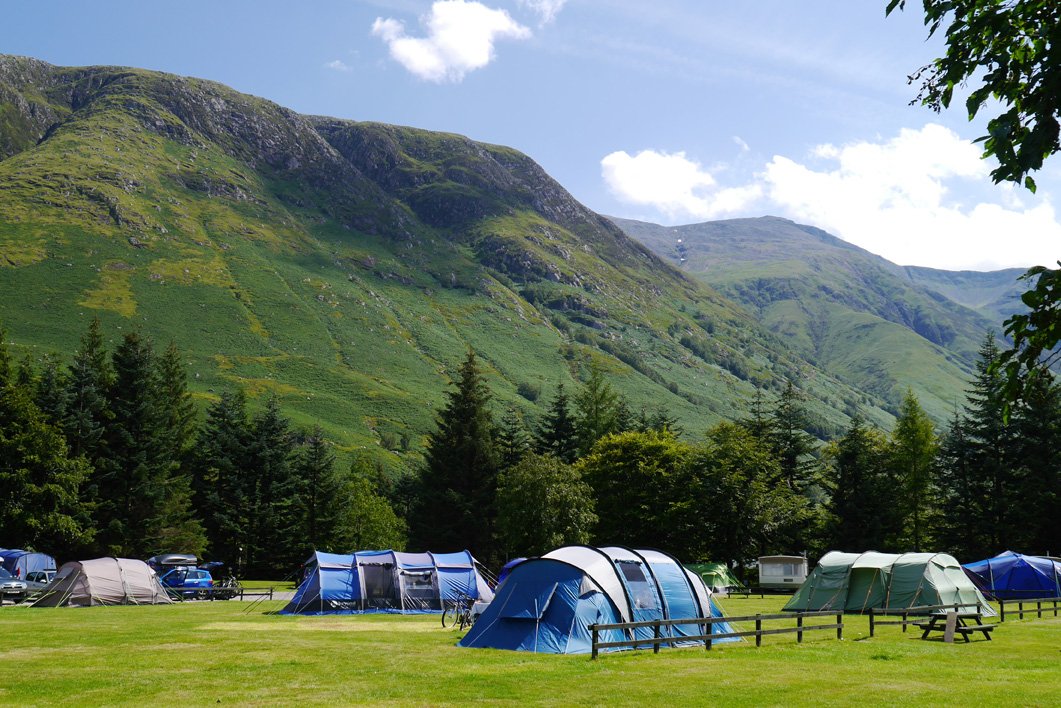
Glen Nevis Campsite

2. Wild Camping

  • Legal Status: Wild camping is permitted in Scotland under the Land Reform (Scotland) Act 2003, as long as it's done responsibly and with respect for the environment. This means you can camp in most places, provided you follow the "Scottish Outdoor Access Code" principles.

  • Best Areas for Wild Camping: Many parts of the West Highland Way are ideal for wild camping, including areas around Loch Lomond, Rannoch Moor, and near Glencoe. However, some sections, like those near villages or sensitive nature areas, may have restrictions or be less suitable for wild camping. Read the official Camping Management Byelaws to understand the specific camping restrictions and permit requirements.

  • Important Considerations:

    • Campsites vs Wild Camping: While wild camping gives you more flexibility, official campsites offer more security and facilities, making them easier and more comfortable.

    • Weather: The weather in the Scottish Highlands can be very unpredictable, so wild camping requires good preparation, especially in terms of gear and knowing how to handle the conditions.

    • Water Sources: Make sure to camp near a reliable water source, but always purify water before drinking.

    • Respect for Nature: Always camp at least 100 meters away from any buildings or roads and avoid camping on agricultural land or near protected wildlife areas.

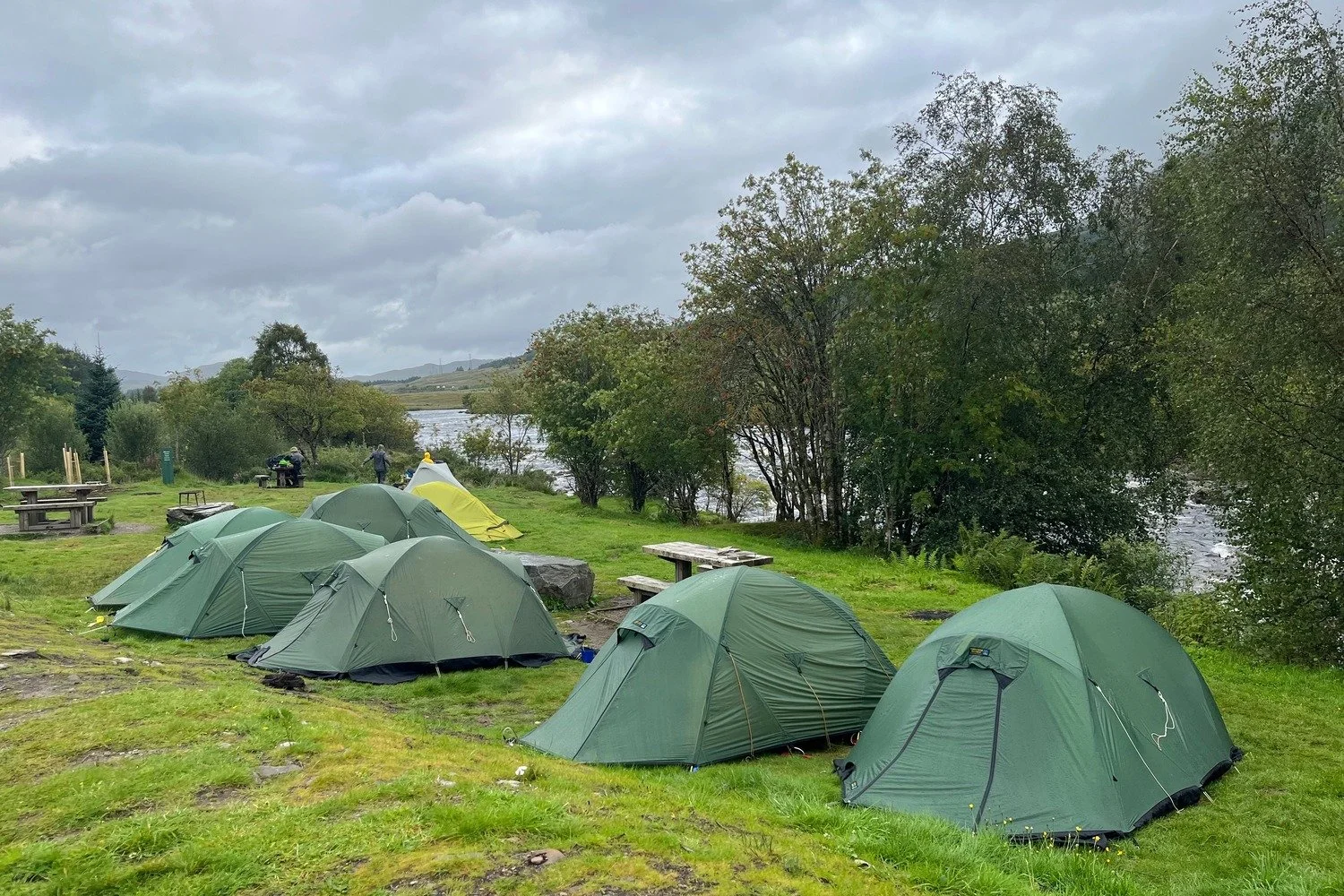
Wild camping (bivy) location at Bridge of Orchy


3. Camping Gear

  • Tent: A lightweight, weatherproof tent is essential for wild camping, especially given the often wet and windy conditions in the Highlands.

  • Sleeping Bag and Mat: Ensure you have a good sleeping bag suited for the season and a comfortable mat for insulation.

  • Cooking Equipment: If you plan to cook your meals, you’ll need a stove, fuel, and cooking utensils. Many campsites have kitchen areas, but for wild camping, bring your own.

4. Bivvying

  • Another option is bivvying, where you sleep in a bivy bag (a lightweight, weatherproof shelter). This is suitable for more experienced hikers looking to travel light. However, it's more exposed to the elements, and you need to be prepared for changing weather conditions.

5. Camping Tips

  • Plan Your Stops: While you can camp at many points along the trail, some areas may be better for camping than others, especially in terms of terrain, weather protection, and distance between campsites.

  • Booking Campsites: In high season, some campsites may require pre-booking, especially those near popular areas like Loch Lomond.

  • Avoid the Crowds: If you prefer more solitude, wild camping is a good option, though it’s still important to camp away from heavily trafficked areas.

  • Keep It Clean: Always follow the Leave No Trace principles—dispose of waste responsibly, pack out all trash, and leave the area as you found it.

Glencoe Mountain Resort Campsite

Summary:

You can definitely camp along the West Highland Way, with both official campsites and wild camping being available. Official campsites provide amenities and a bit more comfort, while wild camping offers more freedom and a closer connection to nature. Just be sure to plan ahead, respect the environment, and bring suitable gear to handle the often unpredictable Scottish weather.


Ready to start planning your West Highland Way adventure?

How difficult is the West Highland Way?

The West Highland Way is considered an easy to moderate long-distance trail. Its difficulty depends on factors such as fitness level, experience, weather conditions, and how many days you choose to complete the hike. Here’s an overview of what makes it manageable or difficult:

Key Factors Affecting Difficulty

1.Distance and Duration:

  • The main trail covers 97 mi / 155 km and typically takes 5–10 days to complete, averaging about 12–20 mi / 19–32 km per day depending on the hiker’s plan.

  • Breaking it into more days with shorter distances per day makes it more manageable, while completing it in fewer days increases the challenge.

2. Elevation Changes:

    • The trail has a cumulative elevation gain of approximately 12,800 ft / 3,900m.

    • While the climbs are not extremely high compared to mountain trekking, sections like Conic Hill, the Devil's Staircase, and parts of Rannoch Moor involve notable ascents and descents that can be strenuous.

Conic Hill

3. Terrain:

    • The trail covers varied terrain, including paved paths, forest trails, rocky and uneven paths, and boggy moorland.

    • Sections like Rannoch Moor are remote and exposed, offering beautiful but potentially challenging hiking, especially in poor weather.

4. Weather Conditions:

    • Scotland’s weather can be highly unpredictable, with sudden rain, wind, and fog, even in the warmer months.

    • Good preparation with waterproof gear and layered clothing is essential to handle changes in weather.

5. Midges:

    • From late spring to late summer, midges can be an annoyance, particularly in the mornings and evenings, adding a layer of discomfort if not prepared with repellent.

Drove road to Glencoe via Rannoch Moor

Who Will Find It Manageable?

  • Moderately Experienced Hikers: Those with some long-distance hiking experience should find the trail challenging but manageable, especially if broken into smaller daily sections.

  • Beginners with Preparation: Less experienced hikers can also complete it with adequate preparation, reasonable fitness levels, and a plan that includes shorter daily hikes and plenty of rest.

Who Might Find It Challenging?

  • Inexperienced Hikers: Without any prior hiking experience, the length and elevation changes can be daunting.

  • Those Unprepared for Weather: The unpredictable weather can make it challenging if hikers are not prepared with proper clothing and gear.

  • Hikers with Time Constraints: Attempting to complete the trail in a shorter period can turn it into a grueling experience.

Start of Devil’s Staircase

Tips for a Successful Hike

  • Train in advance with long walks and some hill climbing to build stamina.

  • Invest in quality hiking boots and waterproof gear.

  • Plan accommodation and food stops ahead, especially in peak season.

  • Check weather forecasts and adjust your itinerary as needed.

Overall, the West Highland Way offers a rewarding hiking experience with some challenges, balanced by spectacular scenery and a sense of achievement upon completion.


Get strong, fit and prepared to hike the west highland way

Our 3-month hiking training plan is designed for hikers preparing for a multi-day hike.

It’s for those that are looking to improve their hiking performance through a combination of step endurance, cardio, and strength activities.

Introducing Ricky Munday, Trail Expert for West Highland Way

Introducing Ricky Munday, Trail Expert for the West Highland Way

We are excited to share that Ricky Munday has joined The Hiking Club team as “Trail Expert, West Highland Way”.

Ricky is a qualified Mountain Leader, Chartered Accountant and has summited a spectacular list of the world’s highest peaks including Everest. He is also the Founder Director of Inspire Alpine, a social enterprise to help close the attainment gap faced by disadvantaged young people.

Ricky lives in Glasgow, Scotland and knows the West Highland Way inside and out. He has walked, cycled and ran stages of the West Highland Way over the past 15+ years. He has experienced the route during all seasons - summer, winter and shoulder. He has camped and stayed in accommodation. He has hiked with and without baggage transfer. He also provides guiding services for those that are interested in tackling more technical and/or remote alternative routes, such as summiting Ben Nevis.

As the “Trail Expert, West Highland Way”, Ricky will be the key point person on our team for this trail. Our planning app will not only include necessary data and information to hiking the main trail, but also the inclusion of alternative routes, highlights and Munros that provide a unique experience. He will also provide consulting services via our Expert Access and Expert Consultation packages, present workshops and webinars, answer customer support questions and lead marketing activities.

With Ricky’s local expertise, we aim to bring the most comprehensive planning tool for the West Highland Way to The Hiking Club community.

Tour du Mont Blanc Refuges: Booking Tips and Tricks

Tour du Mont Blanc Refuges: Booking Tips and Tricks

While many of the wonderful Tour du Mont Blanc refuges will feature on your ideal self-guided hiking itinerary, what do you do if they have no availability when you go to book your own trip? In this blog post, I’m going to share accommodation booking tips and my top 4 booking tricks for finding accommodation that will keep your trip alive.

Where to park my car when hiking the Tour des Combins

Where to park my car when hiking the Tour des Combins

If you’re planning to drive to the Tour des Combins with either your own or a rental car, parking can be an important consideration, as the trail spans both Switzerland and Italy, passing through several towns and remote areas. Here’s a breakdown of parking options for hikers embarking on the Tour des Combins, covering key starting points and access points for the trail.

Should I get an Alpine Club membership for the Walker's Haute Route

The official Walker’s Haute Route travels through France and Switzerland.

If you are a member of one of the respective alpine clubs, you get discount on accommodation at their mountain huts. Here are the details on each alpine club membership:

FRENCH ALPINE CLUB MEMBERSHIP

The French Alpine Club has a membership program that provides discounts to their mountain huts. Membership is about 100 - 120€ and is open to non-French citizens. For full details click here. The huts along the Walker’s Haute Route that are owned by the French Alpine Club include: Albert 1er (Premier).

Refuge Albert Premier

SWISS ALPINE CLUB MEMBERSHIP

The Swiss Alpine Club has a membership program that provides discounts to their mountain huts. Membership is from 80 CHF and is open to non-Swiss citizens. For full details click here. The huts along the Walker’s Haute Route that are owned by the Swiss Alpine Club include: Cabane du Mont Fort, Cabane des Dix, Cabane de Moiry, Turtmannhutte.

View from Cabane de Moiry


plan and navigate your ultimate WALKER’S HAUTE ROUTE adventure